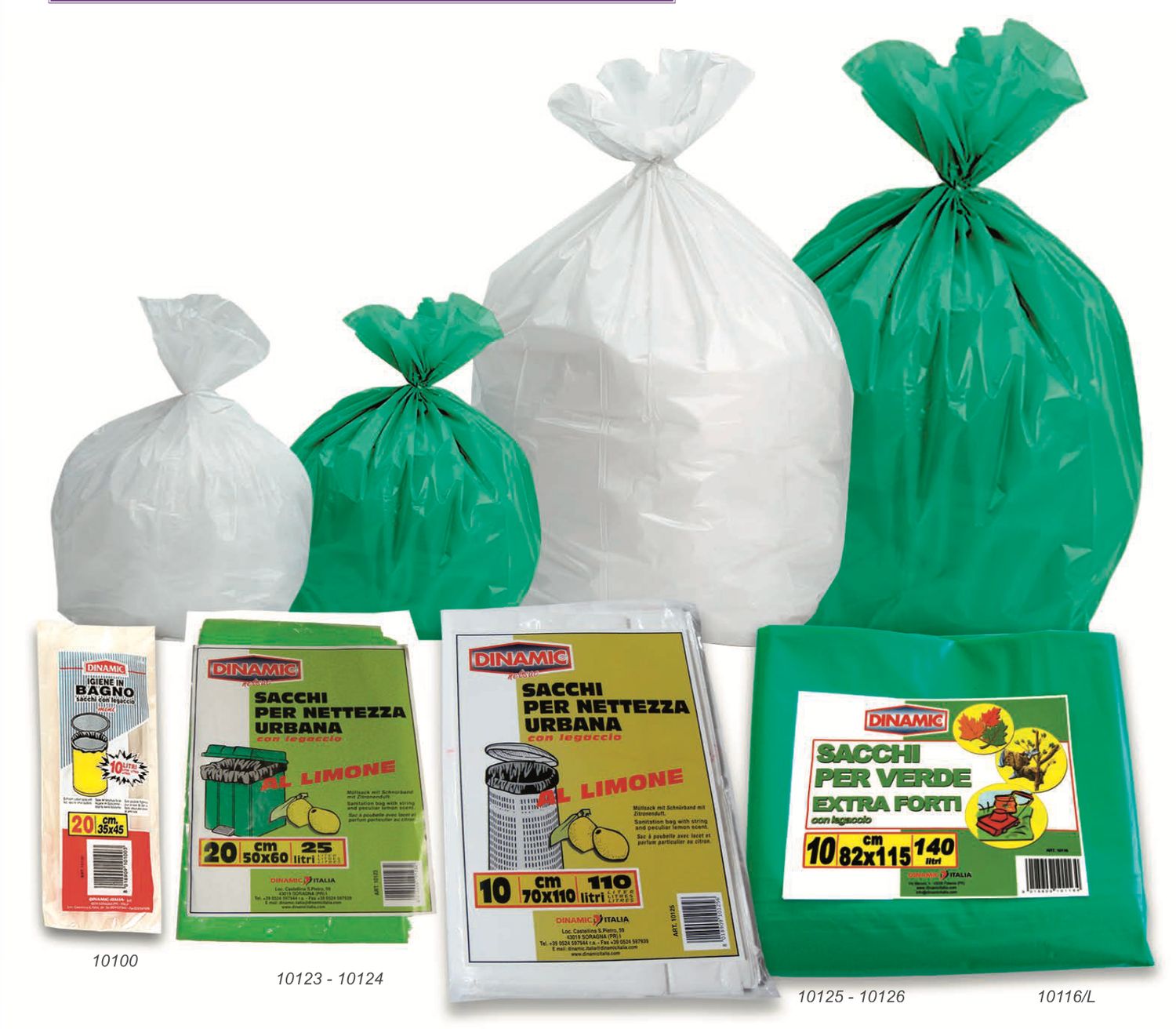
KALINDRA | Dynamic. White and green LDPE waste bags, lemon scented. 2 sizes available
SKU DNCIT_1012X
I choose the bag that measures
Color
White
Green
Convenience, freshness and organisation every day! Discover lemon-scented LDPE bin bags, available in white or green. Two sizes in convenient rolls of 10 or 20 bags, ideal for household and professional waste collection.
In stock
1
Save this product for later
Customer reviews
Reviews only from verified customers
No reviews yet. You can buy this product and be the first to leave a review.
Have questions?
KALINDRA | Dynamic. White and green LDPE waste bags, lemon scented. 2 sizes available
Product Details
Brand: Dinamic Italia
Group: Home, garden and vegetable garden
Product family: Garbage and recycling bags and sacks
Country of origin: IT - Italy
SKU Product code: DNCIT_1012X
Weight: 0,75 kg
Lemon-Scented Waste Bags – Practicality and Freshness for Everyday Waste Collection
Lemon-scented low-density polyethylene (LDPE) waste bags offer a convenient solution for everyday waste collection and management.
Made from flexible plastic, these bin liners are designed to fit suitable waste bins and simplify waste collection, bag replacement and disposal.
Their lemon fragrance adds a pleasant citrus note, particularly appreciated in areas where waste bags are used frequently, including kitchens, bathrooms, offices, utility rooms and professional premises.
Available in white and green, they come in two sizes, 50 × 60 cm and 70 × 110 cm, to meet different waste collection requirements.
The convenient roll packaging, containing 20 or 10 bags depending on the size, makes it easier to organise supplies while taking up little storage space.
The combination of flexible LDPE, lemon fragrance, different sizes and practical multipack rolls makes these waste bags useful accessories for everyday cleaning and waste management in domestic and professional environments.
1. Main Product Features
- Product type: waste bags and bin liners.
- Material: low-density polyethylene (PE-LD / LDPE).
- Fragrance: lemon.
- Available colours: white and green.
- Available sizes: 50 × 60 cm and 70 × 110 cm.
- Packaging format: roll.
- Quantity per roll: 10 or 20 bags, depending on size.
- Function: collection and containment of compatible waste.
- Applications: household and professional waste management, in accordance with local collection regulations.
- Available variants: four combinations of size and colour.
Why Choose Low-Density Polyethylene?
Low-density polyethylene (LDPE) is a plastic material widely used to manufacture films, bags and flexible packaging because of its flexibility and mechanical properties.
Compared with more rigid materials, it allows waste bags to adapt to the shape of suitable bins while remaining easy to handle.
Its main characteristics include:
Flexibility
LDPE can adapt to the shape of a waste bin and accommodate its contents without requiring a rigid structure.
Lightweight construction
The material makes waste bags easy to handle, replace and store.
Resistance in normal use
LDPE has mechanical properties suitable for many everyday applications. However, the actual resistance of each bag depends on film thickness, seams, manufacturing quality and the weight of its contents.
Convenient packaging
Flexible plastic allows multiple waste bags to be arranged in a compact roll.
Versatility
LDPE is widely used in flexible plastic products, including waste bags, films and other applications.
2. Available Variants and Technical Specifications
The range includes four variants, distinguished by size, colour and the number of bags per roll.
| Item Code | Size | Colour | Bags per Roll | EAN Code |
|---|---|---|---|---|
| 10123 | 50 × 60 cm | Green | 20 | 8018909101232 |
| 10124 | 50 × 60 cm | White | 20 | 8018909101249 |
| 10125 | 70 × 110 cm | Green | 10 | 8018909101256 |
| 10126 | 70 × 110 cm | White | 10 | 8018909101263 |
Commercial Packaging Information
| Item Code | Quantity per Carton | Cartons per Layer | Cartons per Pallet |
|---|---|---|---|
| 10123 | 50 | 8 | 48 |
| 10124 | 50 | 8 | 48 |
| 10125 | 30 | 6 | 42 |
| 10126 | 30 | 6 | 42 |
Quantities per carton are reported according to the commercial units indicated in the supplier's product listing.
3. Which Size Should You Choose?
50 × 60 cm Waste Bags – Roll of 20
Available in white and green.
This size is suitable for everyday waste collection in small and medium-sized bins, provided the actual bin dimensions are compatible.
Possible applications include:
- Domestic kitchens.
- Bathrooms and toilets.
- Offices and workstations.
- Small utility rooms.
- Areas used for routine cleaning activities.
The 20-bag roll is convenient for frequent replacement and organised storage.
70 × 110 cm Waste Bags – Roll of 10
Available in white and green.
The larger format is intended for situations where a more spacious waste bag is required.
It can be useful for:
- Larger waste bins.
- Utility and maintenance rooms.
- Commercial premises.
- Offices with more substantial waste collection requirements.
- General cleaning of larger areas.
The 10-bag roll provides larger bags while keeping supplies compact and easy to store.
Practical tip: bag dimensions do not directly correspond to the capacity of a waste bin in litres. Always check the bin's shape, height and circumference before choosing a size.
4. Lemon Fragrance: A Distinctive Feature
The lemon scent is one of the distinguishing characteristics of these waste bags.
Areas used for waste collection can develop unpleasant odours, particularly when rubbish remains in a bin for several hours.
A scented bag can help create a more pleasant impression of freshness in the surrounding environment.
Benefits of Lemon Fragrance
A pleasant citrus note
Lemon fragrance is commonly associated with a fresh, clean-smelling environment.
Everyday comfort
The scent can make changing and handling waste bags a more pleasant experience.
Versatility across environments
The fragrance may be appreciated in kitchens, bathrooms, offices and utility areas.
An additional product characteristic
The scent differentiates these bags from conventional unscented versions while preserving their primary purpose: waste containment.
Important Information
Fragrance does not automatically eliminate the substances responsible for unpleasant odours.
These bags should not be considered disinfectant, sanitising or antibacterial products.
To manage odours effectively, empty waste bins regularly, clean them appropriately and follow suitable waste collection practices.
People sensitive to fragrances should also consider the presence of scented substances.
5. Understanding the Colours: White and Green
The choice between two colours can make waste management more organised.
White Waste Bags
White provides a neutral, discreet appearance that can suit a wide range of bins and interiors.
It may be preferred in offices, bathrooms, utility rooms and environments where a simple visual presentation is desired.
Green Waste Bags
Green bags can make it easier to distinguish bags used in different areas or for different internal collection purposes.
They can be useful when adopting an organisation system based on colour.
A Note on Waste Separation
Bag colour does not automatically determine which type of waste may be collected in it.
A green plastic bag is not necessarily suitable for organic waste, and a white bag is not automatically intended for general waste.
Colour-coding requirements vary between local authorities and collection providers.
Always check the rules applicable to the collection service in your area.
6. Where Can These Waste Bags Be Used?
Domestic Kitchens
Suitable for collecting waste fractions for which conventional plastic bags are permitted.
The lemon fragrance provides a citrus note during everyday use.
Bathrooms and Toilets
Useful in bins for small items of non-recyclable waste, subject to local collection rules.
The 50 × 60 cm option can be practical when the bin dimensions are suitable.
Offices and Administrative Premises
Roll packaging makes it easier to manage stock and replace bags regularly.
Two available colours allow different rooms or internal collection functions to be distinguished.
Shops and Commercial Premises
The bags may be used for ordinary compatible waste in retail premises, offices and service areas.
Hospitality and Professional Environments
Hotels, accommodation facilities and professional premises can use different bag sizes according to their cleaning procedures and collection requirements.
All applications must comply with local regulations, workplace procedures and the nature of the waste being collected.
7. Practical Tips for Choosing and Using Waste Bags
Choose the Correct Size
Check the dimensions of the waste bin before purchasing.
The bag should be sufficiently large to fit the bin properly and allow closure after use.
Avoid Overfilling
An overfilled bag may be difficult to close and carry.
The weight of its contents should be appropriate for the bag's actual strength, which depends on thickness and seam construction.
Be Careful with Sharp Objects
Pointed items, fragments and sharp edges can puncture flexible plastic.
Dispose of sharp materials according to the relevant safety and waste collection requirements.
Replace Bags Regularly
Frequent replacement supports a cleaner and more organised waste collection area.
Lemon fragrance does not replace regular bin cleaning.
Store Rolls Correctly
Keep rolls in a dry location, away from heat sources and prolonged direct sunlight.
Suitable storage can help preserve the material and its fragrance.
Organise Your Supplies
Having more than one bag size available can simplify waste collection across different rooms and premises.
Safety
Plastic bags are not toys. Keep them away from children to prevent suffocation hazards.
Do not use these waste bags for food storage or for hot, burning or hazardous materials for which they are not specifically intended.
8. Interesting Facts and Useful Information
What Does LDPE Mean?
LDPE stands for Low-Density Polyethylene.
It is a plastic material whose structure allows flexible films to be manufactured for many different applications.
What Is the Difference Between LDPE and HDPE?
Both materials belong to the polyethylene family but have different properties.
LDPE is commonly chosen for flexible, softer films.
HDPE, or high-density polyethylene, generally has a more rigid structure under comparable conditions.
The actual performance of a waste bag still depends on its formulation, thickness and construction.
Why Are Waste Bags Sold in Rolls?
Rolls allow numerous bags to be stored in a relatively small space.
This format also simplifies stock management and distribution across different rooms.
Does Lemon Fragrance Kill Bacteria?
No.
A lemon scent does not indicate antibacterial, sanitising or disinfectant properties.
Such claims would require specific, documented product characteristics.
Is a Larger Bag Always Better?
Not necessarily.
Using an unnecessarily large bag can consume more material than needed and make waste collection less convenient.
Choosing a size appropriate to the bin and its contents is generally more practical.
Does Green Mean Environmentally Friendly?
No.
The colour green does not identify the environmental properties of the product.
A green LDPE waste bag remains a conventional polyethylene product unless additional environmental characteristics are specifically documented.
Is LDPE Compostable?
Ordinary LDPE is not a compostable material.
Using bags for organic waste collection generally requires products accepted by the local service, normally certified compostable bags where applicable.
Are All LDPE Waste Bags Equally Strong?
No.
Strength depends on several factors, including film thickness, polymer formulation, seams and conditions of use.
The material designation LDPE alone does not establish the bag's maximum load capacity.
9. Disposal and Separate Waste Collection
Responsible disposal is an essential part of effective waste management.
Can LDPE Waste Bags Be Recycled?
Low-density polyethylene is technically recyclable through suitable recycling systems.
However, not every item made from LDPE is accepted in household plastic-packaging collections.
It is important to distinguish between:
- Plastic packaging.
- Waste bags sold as products.
- Bags already filled with waste belonging to a specific collection category.
A technically recyclable material is not necessarily accepted in the local plastic recycling bin.
How Should Used Bags Be Disposed Of?
When a bag is used for general residual waste, it normally follows the collection route established for that waste category.
For separately collected materials, check whether the local authority allows conventional plastic bags or requires another presentation method.
In particular, conventional polyethylene bags should not be placed in organic waste streams that require certified compostable liners.
Can These Bags Be Used for Food Waste?
Not for organic waste intended for composting.
These products are described as conventional LDPE bags, and no compostability certification has been provided.
For organic waste, use bags approved by the local collection service, normally certified compostable products meeting the applicable standards, such as EN 13432 for compostable packaging.
Neither the green colour nor the lemon fragrance changes the material's compostability.
How Should the Outer Packaging Be Disposed Of?
Separate outer packaging according to the material:
- Plastic wrapping film: plastic-packaging collection, when locally accepted.
- Cardboard: paper and cardboard collection, when clean and suitable.
- Other components: follow their environmental labelling.
A waste bag sold as a product is not automatically classified in the same way as plastic packaging.
Kalindra's Tip for Responsible Waste Management
For correct and efficient use:
- Choose the appropriate bag size.
- Avoid using more bags than necessary.
- Keep incompatible or hazardous materials out of ordinary waste bags.
- Respect local waste collection requirements.
- Dispose of external packaging separately.
Responsible waste management begins with choosing an appropriate product and continues through correct disposal.
10. Frequently Asked Questions (FAQ)
1. What Material Are the Waste Bags Made From?
They are made from low-density polyethylene, identified as PE-LD or LDPE.
2. What Fragrance Do They Have?
They feature a lemon scent intended to add a pleasant citrus note during everyday use.
3. Which Colours Are Available?
The range includes white and green bags.
4. What Sizes Are Available?
The available sizes are 50 × 60 cm and 70 × 110 cm.
5. How Many Bags Are Included in Each Roll?
The 50 × 60 cm roll contains 20 bags, while the 70 × 110 cm roll contains 10 bags.
6. Are the Bags Individually Packaged?
No. They are supplied in convenient multipack rolls.
7. Are They Suitable for Every Waste Bin?
Compatibility depends on the bin's dimensions and shape. Always check before purchasing.
8. Does the Green Colour Mean They Are Biodegradable?
No. Colour does not indicate biodegradability or compostability.
9. Can They Be Used for Organic Food Waste Collection?
Not for organic waste intended for composting. Use bags accepted by the local collection service, normally certified compostable products.
10. Does the Lemon Fragrance Eliminate Bad Odours?
It may help make odours less noticeable, but it does not necessarily eliminate their causes or replace cleaning.
11. Are the Bags Antibacterial?
No antibacterial or disinfectant properties are declared.
12. Are They Tear-Resistant?
LDPE has useful flexibility and mechanical properties, but the tear resistance of a specific bag depends on its thickness, construction and conditions of use.
13. What Is the Maximum Weight They Can Hold?
No maximum load is specified in the available documentation. Avoid overfilling and sharp materials.
14. How Should They Be Disposed Of?
This depends on their use and local regulations. Bags used for general residual waste normally follow that collection route. Outer packaging must be separated appropriately.
Conclusion – Freshness and Convenience for Everyday Waste Management
Lemon-scented LDPE waste bags provide a practical solution for collecting and managing rubbish in domestic and professional environments.
Available in white and green, in sizes of 50 × 60 and 70 × 110 cm, and in rolls containing 10 or 20 bags, they make it easier to choose the option best suited to different requirements.
The flexibility of polyethylene, convenient roll packaging and pleasant lemon fragrance make these bags useful for daily cleaning and waste collection routines.
Discover Kalindra's lemon-scented waste bags and choose the size that best suits your environment and waste collection needs.
14-day withdrawal period from delivery
Return shipping costs may apply. The refund may be reduced if the item shows signs of use.
You May Also Like
PE HDPE Extra strong
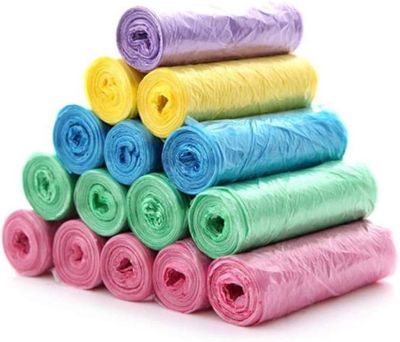
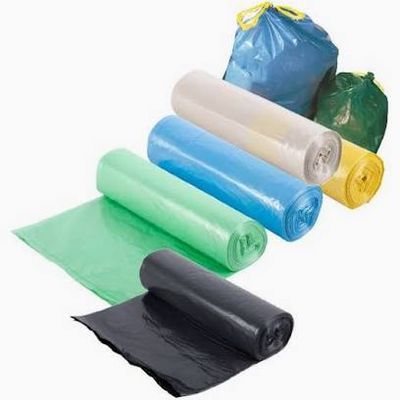
KALINDRA | Dynamic. Colored bags in high-density PE HDPE. Extra strong
KALINDRA | Dynamic. Colored bags in high-density PE HDPE. Extra strong
PE HDPE bags. Trust a product built to last, designed to simplify your daily work and improve service.
SKU DNCIT_SCT-HDPE
€ 0,44
PE LDPE bags
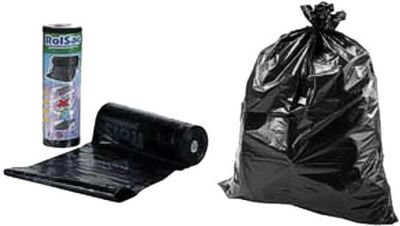
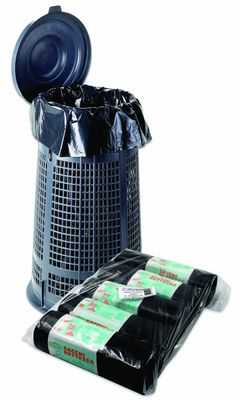
KALINDRA | Dynamic. Black roll bags for recycling in PE LDPE
KALINDRA | Dynamic. Black roll bags for recycling in PE LDPE
Bags for separate waste collection in low density PE LDPE, elastic and high resistance
SKU DNCIT_BLK
€ 1,10
We love❤️ your pets 🐾
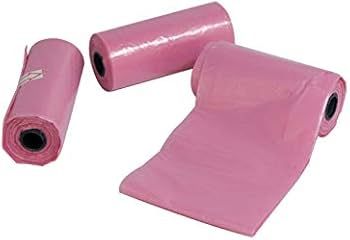
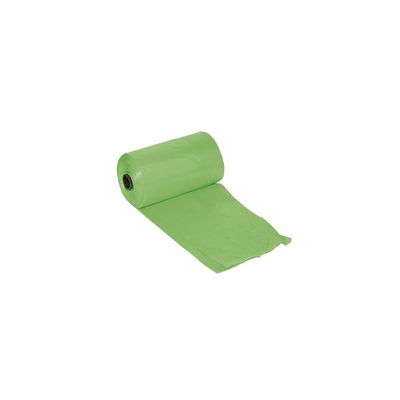
KALINDRA | Dynamic. BIO. Multi-purpose and waste bags
KALINDRA | Dynamic. BIO. Multi-purpose and waste bags
Sturdy multipurpose and waste bags in packs of 3. Available in green or pink. Price per pack.
SKU DNCIT_1010X
€ 0,73
white and green in LDPE
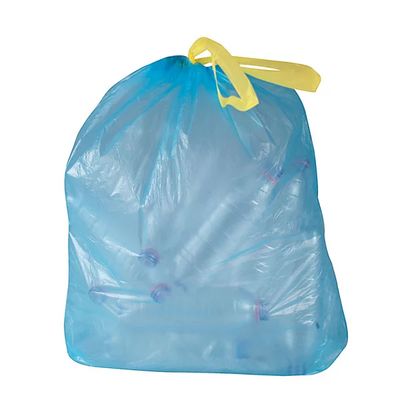
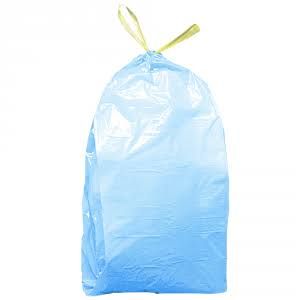
KALINDRA | Dynamic. LEGARAPIDO – HDPE Trash Bags with Sliding Handles – 13 Microns
KALINDRA | Dynamic. LEGARAPIDO – HDPE Trash Bags with Sliding Handles – 13 Microns
Make everyday waste collection easier with LEGARAPIDO! Choose blue HDPE bags with sliding handles and 13-micron thickness. Available in 55×65 cm rolls of 15 or 70×105 cm rolls of 10 bags.
SKU DNCIT_3412X
€ 1,39
Robust and versatile PE LDPE
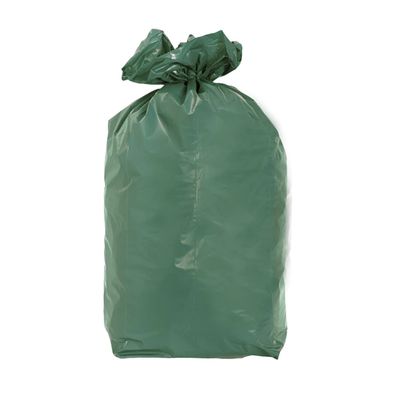
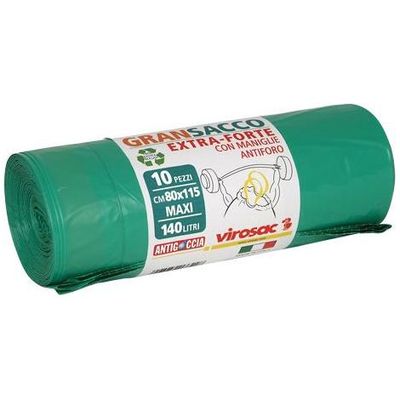
KALINDRA | Dinamic. Durable Green Bags for Grass Clippings and Pruning – 80 × 120 cm – 43 µm – Roll of 10
KALINDRA | Dinamic. Durable Green Bags for Grass Clippings and Pruning – 80 × 120 cm – 43 µm – Roll of 10
Make garden maintenance easier! Choose durable green waste bags measuring 80 × 120 cm, ideal for grass clippings, leaves and light pruning waste. Supplied in convenient rolls of 10 bags, with pricing per roll.
SKU DNCIT_34108
€ 7,66
Display prices in:EUR