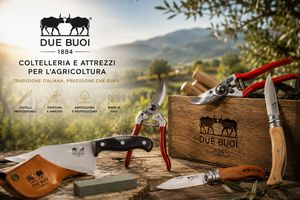

Bonturi Casa: profumi, candele naturali e tisane Bio
Scopri Bonturi Casa e Nature Candle: candele profumate in cera vegetale, fragranze per ambiente e tisane biologiche per vivere la casa attraverso i sensi.

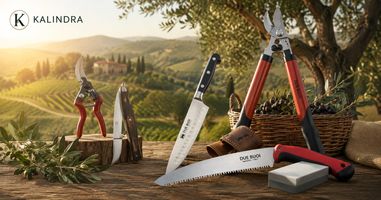
From Maniago, Italy's renowned cutlery district, a story that began in 1884 connects professional knives, blades and agricultural tools. Discover Due Buoi, where manufacturing heritage, technology and specialisation accompany work from the kitchen to the land.
Due Buoi Maniago: Professional Cutlery and Agricultural Tools Since 1884
Discover Due Buoi on Kalindra.it: professional knives and tools for agriculture, pruning and grafting rooted in the manufacturing tradition of Maniago. Choose the right tool for your work and experience Italian cutting culture, precision and expertise.
Due Buoi: a story that began in Maniago in 1884
To talk about Due Buoi is to enter the history of Maniago, the Italian town in Friuli Venezia Giulia renowned for its tradition of manufacturing knives and cutting tools.
Due Buoi was founded in Maniago in 1884 by Pietro Rosa to manufacture agricultural tools. The name Due Buoi, meaning “two oxen”, refers to two oxen pulling a plough, a symbol of strength and work.
Today this heritage connects two closely related fields: professional cutlery and tools for agriculture, pruning, grafting and gardening.
Due Buoi professional knives
Due Buoi carries out strategic blade-manufacturing processes internally, including mould design and construction, knife stamping, mechanical machining and heat treatments.
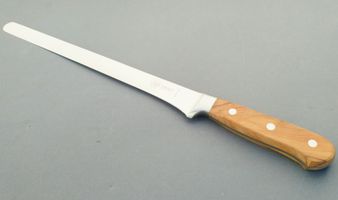
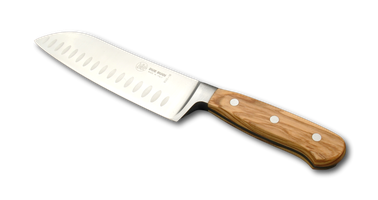
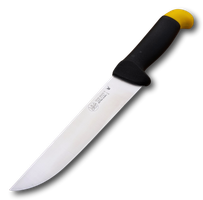
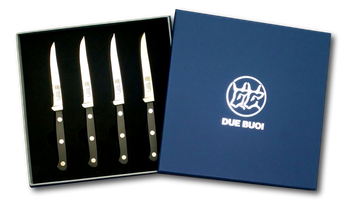
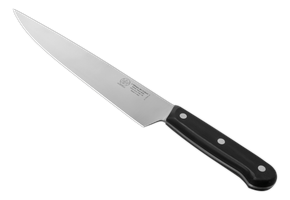
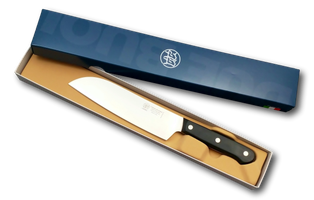
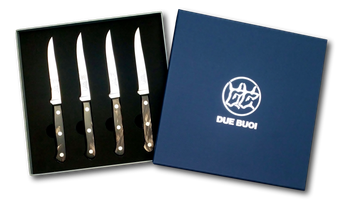
Its range of professional Italian knives includes solutions for meat, fish and food processing: slicing, boning, ham, bread, cheese and pizza knives, butcher's cleavers, mezzaluna knives, kitchen shears, sharpening steels and professional accessories.
Blade shape, length, weight, flexibility and thickness respond to different cutting tasks, making the cutlery tradition of Maniago a highly specialised technical world.
Due Buoi Agriculture: from blade to land
The agricultural origins of Due Buoi continue through the Due Buoi Agriculture range, dedicated to plants, trees and green care.
The catalogue includes grafting knives, orchard and pruning shears, loppers, garden shears, pole tools, pruning saws, sheep shears, sharpening stones and other specialist tools.
The range addresses applications in agriculture, viticulture, fruit growing, arboriculture, horticulture, landscaping and gardening.
Grafting knives: precision applied to plants
Grafting demonstrates why cutting quality also matters in agriculture.
Due Buoi offers professional grafting knives in different configurations and materials. Selected models use Böhler N690 stainless steel, while others use Böhler K720 high-carbon steel. Specific tools are also available for different grafting techniques.
The appropriate tool should be selected according to the plant, technique and intended application.
Pruning shears, loppers and pruning saws
Pruning requires controlled interaction with a living plant. Professional pruning shears, loppers and pruning sawsshould therefore be selected according to branch diameter, frequency of use and crop.
From vineyards and orchards to gardens and professional green-space maintenance, Due Buoi provides tools for different working requirements.
Sharpening and maintenance
A quality cutting tool requires appropriate maintenance. Due Buoi offers natural and synthetic sharpening stones in different grits and sharpening tools designed to help maintain the cutting edge.
Choosing, using and maintaining a blade correctly are all part of the same tool culture.
Tradition meets technology
Due Buoi combines Maniago's manufacturing heritage with modern production technology. Technology, innovation, steel processing and cutting expertise contribute to tools developed for practical and professional applications.
Due Buoi on Kalindra.it
On Kalindra.it, Due Buoi joins a selection focused on function, specialist knowledge and manufacturing culture.
From professional Italian knives to agricultural tools, pruning shears, grafting knives, pruning saws and sharpening equipment, Due Buoi connects blade culture with everyday professional work.
Due Buoi Maniago: from the kitchen to the land, an Italian story shaped around the art of cutting.
FAQ – Due Buoi
When was Due Buoi founded?
Due Buoi was founded in Maniago in 1884 by Pietro Rosa to manufacture agricultural tools.
Where does Due Buoi manufacture its products?
The company operates its manufacturing facility in Maniago, Italy's historic cutlery district.
Does Due Buoi manufacture professional knives?
Yes. Its range includes professional knives for meat, fish and other food-processing applications, together with accessories.
Which agricultural tools does Due Buoi offer?
Grafting knives, pruning and orchard shears, loppers, pruning saws, garden tools and sharpening equipment.
Does Due Buoi manufacture grafting knives?
Yes. Different models are available for different grafting techniques and applications.
Why is choosing the correct pruning tool important?
Branch diameter, crop, frequency of use and type of operation create different requirements.
Where can I discover Due Buoi products?
Explore the selected Due Buoi range on Kalindra.it, across professional cutlery and agricultural equipment.
Interview with Vittorio Centa: Due Buoi, an Italian Vision Looking to the Future
Kalindra meets Vittorio Centa of Due Buoi to explore the company beyond its products: family entrepreneurship, international markets, professional users, digital transformation and the future of a fourth-generation Italian business.
It means responsibility above all. When a company passes through several generations, you inherit more than a business. You inherit something connected to the people who built it, its customers and its community. My role is to preserve that identity while creating the conditions for Due Buoi to continue evolving.
The key is distinguishing identity from habit. Values deserve continuity, while tools, languages and strategies must evolve. Preserving a company does not mean keeping everything unchanged.
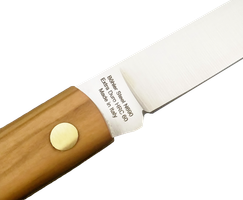
That it was designed to work. A professional tool should communicate purpose, reliability and attention to function. The brand comes afterwards; first, the object itself must make sense.
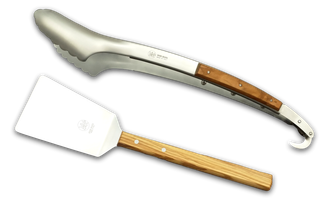
Extremely important. Someone using a tool for hours every day develops exceptional sensitivity to details. Professionals, users and specialist retailers can therefore provide valuable information for understanding real needs.
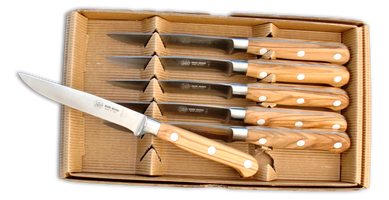
Yes, although it needs to be encouraged. A professional tool belongs to a different culture from disposable consumption: you understand it, choose it for a particular task and learn to use it properly.
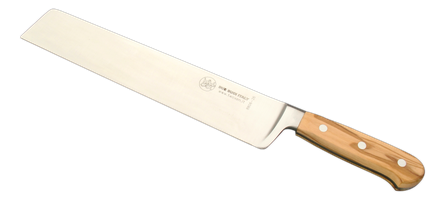
In some markets, particularly online, it can be. Professionals, however, also consider reliability, practicality, working continuity and service life. Price matters, but so does the value generated throughout the product's use.
They can play a fundamental advisory role. In technical sectors, a knowledgeable retailer connects product expertise with the customer's actual requirements.

Italian origin can provide recognition, but origin alone is never enough. Professional Made in Italy has to be supported by products, service and an understanding of markets with different working habits and expectations.
Certainly. Tools used every day can become very personal objects. Users learn their behaviour and develop a familiarity that goes beyond simple functionality.

Longevity is important. A product designed for prolonged use and proper maintenance already introduces an element of responsibility. Sustainability concerns not only materials, but also how products are manufactured, purchased, used and preserved.
Increasingly important. Explaining applications and differences helps customers make more informed choices. Digital content, specialist retailers and marketplaces can all contribute to this process.
Completely. Online, photographs, technical information, descriptions, videos and educational content must perform some of the role traditionally provided by face-to-face expertise.
The opportunity to reach different audiences while placing products in a context that explains them. For a specialist manufacturer, being online is not enough: the product must also be understood.
Care: attention to detail, responsibility, listening and a desire to improve. Technology changes, but caring about the quality of one's work remains essential.
I would like people to continue associating Due Buoi with seriousness, expertise and respect for work. Products and technologies will change. The identity behind them should remain recognisable.
Conclusion
The conversation with Vittorio Centa reveals another dimension of Due Buoi Maniago: family entrepreneurship, professional culture and the ability to manage change.
Due Buoi and Kalindra: Italian expertise, professional culture and respect for work.