






Shopping con AI: opportunità, rischi e diritti
Prezzi, recensioni, privacy, trasparenza e tutela dei consumatori. Una guida europea per utilizzare l'intelligenza artificiale e acquistare con maggiore consapevolezza.


Some people travel alone to discover the world independently. Others plan romantic escapes, family holidays or unforgettable adventures with friends.
Business professionals travel to meet clients, attend international events, negotiate agreements or explore new commercial opportunities.
Some travellers choose the freedom of driving, others prefer rail transport, commercial flights, sea travel or private aviation.
Every journey involves different requirements: documentation, transport arrangements, schedules, budgets, accommodation, insurance, personal safety and unexpected situations.
Kalindra Magazine has developed this comprehensive guide to help travellers and professionals prepare every stage of their journey, from choosing a destination and selecting the most suitable transport to returning home.
A practical resource featuring detailed explanations, technical insights, frequently asked questions and dedicated checklists.
Practical Guides for Travellers and Professionals
Category
Travel, Tourism & Luxury
Editorial Series
Practical Guides for Travellers and Professionals
Target Audience
Solo travellers, couples, families, groups, business professionals, entrepreneurs and companies.
Related Content
🟢 Travel planning,
🟢 travel preparation checklist,
🟢 business travel planning,
👷 corporate travel,
🧑🧑🧒🧒 family holidays,
👨💼 solo travel,
👩❤️👨 couples travel,
🟢 transport options,
✈️ travelling by plane,
🚂 travelling by train,
🚘 road trips,
🛩️ private aviation,
🟢 travel insurance,
🟢 international travel documents,
🟢 travel budget,
🟢 travel safety.
How to Plan a Trip: From Choosing Your Destination to Returning Home
Prepare Carefully. Travel Confidently.
Whether you are organising a holiday, a corporate business trip, a group journey or a multi-destination itinerary, preparation is the first investment in the quality of your experience.
Discover how to choose the right transport, verify travel documents, plan your budget, protect yourself against unexpected events and organise every detail.
For private travel, business aviation, tourism and luxury services:
https://kalindra.it/products/viaggi-business-privati-turismo-servizi-luxury
Defining your journey
Why Do We Travel? Five Different Needs
Before selecting a destination or booking a ticket, it is essential to understand the purpose of the journey.
Solo Travel
Travelling alone offers greater independence when choosing schedules, itineraries and activities.
However, solo travellers should carefully consider personal safety, single-occupancy accommodation costs, access to assistance and ways of staying in contact with someone they trust.
Couples Travel
Travelling as a couple requires balancing expectations, interests, personal rhythms and financial resources.
Before booking, it is helpful to agree on priorities: relaxation, culture, adventure, gastronomy, wellness or a combination of experiences.
Family Travel
Planning a family holiday means considering the needs of every participant, particularly children, teenagers and anyone requiring additional assistance.
Important aspects include individual travel documents, parental authorisations where applicable, transport safety, suitable accommodation, dietary requirements and rest periods.
Business Travel
A professional journey has different objectives from a holiday.
Punctuality, reliable connections, Internet access, suitable working environments and flexible reservations may be more important than the lowest initial price.
A missed meeting, an insufficient connection time or unavailable equipment can compromise the entire business trip.
Group Travel
Travelling with friends, colleagues or event participants requires coordination.
A designated organiser should manage essential information, participant details, payments, changes, cancellations and communication procedures.
Define Your Objectives Before Choosing a Destination
For leisure travel, the main questions are:
→ What do we want to discover or experience?
→ How much time do we have?
→ What is our available budget?
→ Which activities are essential?
→ How much time should be reserved for relaxation?
For business travel, the questions are different:
→ What is the objective of the trip?
→ Which meetings cannot be rescheduled?
→ Do we need to transport professional equipment?
→ How much time can we allocate to transfers?
→ What would be the consequences of a delay?
→ Is confidentiality required during transport?
Your destination and transport arrangements should reflect these answers.
Establish a Realistic Travel Budget
A realistic budget must include all expected expenses, not simply the initial ticket price.
Transport: Tickets, fuel, tolls, parking and transfers
Accommodation: Rooms, taxes, supplements and services
Food: Meals, drinks and dietary requirements
Documentation: Passports, visas and authorisations
Insurance: Medical expenses, cancellations and luggage
Activities: Excursions, admission fees and events
Communications: Roaming, SIM cards, eSIM and Internet
Payments: Currency exchange and banking fees
Business: Meeting rooms, equipment, shipping and transfers
Contingencies: Available emergency funds
For business travel, the value of time spent travelling should also be considered, while distinguishing this from actual expenditure.
Choosing Transport: A Strategic Decision
There is no universally superior means of transport.
The best choice depends on distance, journey duration, number of passengers, destination, luggage, budget, accessibility, environmental impact and flexibility.
Always compare the complete door-to-door journey, rather than considering only the time spent on board.
A one-hour flight may require several additional hours for airport transfers, security checks, waiting and luggage collection.
A train journey that appears longer on paper may be more convenient when it connects two city centres directly.
Travelling by Car
Travelling by car offers freedom when choosing departure times, stops and routes.
It can be particularly useful for family holidays, destinations with limited public transport and itineraries involving several stops.
Before Departure
→ Check driving licences and vehicle documents.
→ Verify maintenance and roadworthiness.
→ Inspect tyres, fluids and mandatory safety equipment.
→ Check insurance and roadside assistance.
→ Research tolls and traffic restrictions.
→ Verify requirements for driving abroad.
→ Plan suitable rest stops.
→ Check parking facilities and destination accessibility.
For Families
Ensure that child car seats and restraint systems comply with the applicable regulations and are appropriate for each child's characteristics.
For Business Travellers
Consider driving time, fatigue, parking availability and the practicality of attending multiple appointments in one day.
Travelling by Train
Rail travel can provide an efficient solution for reaching cities and business centres.
It may also allow passengers to read, work or relax during the journey.
Essential Checks
→ Correct departure and arrival stations.
→ Connections and transfer times.
→ Ticket modification and refund conditions.
→ Luggage allowances.
→ Reserved seating.
→ Accessibility.
→ On-board services.
→ Documents required for international border crossings.
For Professionals
Check Internet connectivity, power sockets, workspace and confidentiality.
Sensitive business conversations and documents should not be exposed in public environments.
Travelling by Bus or Coach
Bus and coach services can be economical options for domestic and international journeys, as well as organised transfers.
For longer journeys, evaluate comfort, duration, scheduled stops and opportunities to rest.
Check
→ Exact departure location.
→ Luggage allowance.
→ Intermediate stops.
→ Expected journey duration.
→ Cancellation conditions.
→ Accessibility.
→ International border requirements.
For organised groups, hiring a private coach may simplify passenger coordination.
Travelling by Commercial Aircraft
Air travel is often essential for long-distance and international connections.
However, the advertised fare does not always represent the final journey cost.
Before Booking
→ Verify departure and arrival airports.
→ Check schedules and connections.
→ Evaluate minimum connection times.
→ Confirm included baggage.
→ Review modification conditions.
→ Consider insurance and assistance.
→ Check entry and transit requirements.
→ Verify restrictions on medicines, batteries and specialised equipment.
For Families
Check the airline's policies concerning infants, children, seat allocation, pushchairs and child equipment.
For Professionals
Consider flexible fares, flight-change options and alternative connections in case of disruption.
Private Aviation, Charter Flights and Business Jets
Private aviation can meet specific requirements for organisation, confidentiality, flexibility and access to destinations.
It is not necessarily the most economical option, but it may offer operational advantages when schedules, passenger numbers and itineraries make conventional connections difficult.
When to Consider Private Aviation
→ Business trips involving several meetings in different locations.
→ Corporate group travel.
→ Destinations with limited commercial air services.
→ Programmes requiring specific departure times.
→ Personalised premium travel experiences.
Essential Checks
→ Operator and aviation authorisations.
→ Airports that can actually be used.
→ Aircraft availability.
→ Passenger and luggage capacity.
→ Aircraft range and potential technical stops.
→ Operational and weather restrictions.
→ Border formalities.
→ Pricing and cancellation conditions.
→ Ground transport arrangements.
An airport's existence does not automatically mean that every aircraft can operate there or that border services are available for every flight.
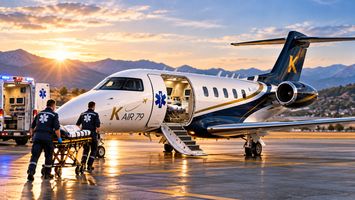
K-AIR 79: information and quotations for business travel, private journeys and luxury tourism can be requested through Kalindra.it. All proposals are subject to operational feasibility and confirmation.
Travelling by Ship, Ferry or Cruise
Maritime transport may be useful for reaching islands, crossing stretches of water or travelling with a vehicle.
Check
→ Departure and arrival ports.
→ Required check-in and boarding times.
→ Passenger documentation.
→ Vehicle documentation.
→ On-board accommodation.
→ Animal transport conditions.
→ Luggage and goods restrictions.
→ Weather conditions and possible schedule changes.
For international cruises, verify the entry requirements of every country included in the itinerary, even when port calls are brief.
Cycling, Motorcycling, Campervans and Touring Holidays
These travel methods require specific preparation.
Cyclists and motorcyclists should consider protective equipment, road safety, weather conditions, maintenance and vehicle transport arrangements.
Campervan and motorhome travellers must check parking regulations, authorised stopping areas, vehicle dimensions, city access restrictions and insurance coverage.
For touring holidays, avoid underestimating fatigue and plan realistic daily distances.
Multimodal Travel: Combining Different Transport Options
Many itineraries work best when different transport methods are combined.
Examples include:
→ Train to the airport, followed by a flight and private transfer.
→ Car to the port, ferry crossing and onward road journey.
→ International flight followed by rail transport into the city centre.
→ Private flight followed by ground transport to the final destination.
→ High-speed rail followed by car hire for rural destinations.
Successful organisation depends on coordinating connections.
Allow sufficient time, especially when tickets are purchased separately and no contractual connection protection applies.
Documents, authorizations and formalities
Passports and Identity Documents
Requirements depend on nationality, destination and transit countries.
Before booking, check:
→ Accepted travel documents.
→ Required remaining validity.
→ Any requirements concerning blank passport pages.
→ Consistency between document details and reservations.
→ Special requirements for minors.
Some destinations accept national identity cards from eligible travellers; others require passports.
Visas and Electronic Travel Authorisations
Leisure travel and business travel are not always governed by the same rules.
Permission to enter a country as a tourist does not necessarily authorise professional activities.
Distinguish between:
→ Tourism.
→ Business meetings and commercial discussions.
→ Trade fairs and conferences.
→ Professional services.
→ Paid employment.
→ Study.
→ Extended stays.
Requirements vary by country. Business travellers should accurately describe their planned activities and verify whether a business visa, work permit or other authorisation is necessary.
Travelling with Minors
Every child must hold the individual travel document required for the journey.
For Italian minors under 14 travelling abroad without at least one parent or legally responsible person, the applicable declaration of accompaniment requirements must be checked.
When a child travels with one parent or another accompanying adult, additional destination-country or carrier requirements may apply.
Travellers of other European nationalities must check their own country's regulations.
Permits and Documents for Special Activities
Some journeys require additional checks relating to:
→ Drone transport and operation.
→ Professional photography or filming.
→ Special sporting activities.
→ Access to protected areas.
→ Travelling with animals.
→ Technical equipment.
→ Goods for trade fairs or demonstrations.
→ Professional equipment subject to customs procedures.
Where required, authorisations should be obtained before departure.
Money, payments and expenses
Preparing a Leisure or Business Travel Budget
A leisure budget should cover transport, accommodation, meals, activities, documentation, insurance and contingencies.
Business travel budgets may also need to include:
→ Event registration fees.
→ Meeting rooms and workspaces.
→ Professional equipment.
→ Shipping and handling of materials.
→ Internet and communications.
→ Authorised hospitality expenses.
→ Costs associated with programme changes.
Companies should establish spending limits, approval procedures and reimbursement policies before departure.
Foreign Currency and Exchange Rates
When travelling to countries using a different currency, check the current exchange rate.
The actual cost depends on the rate applied by the provider and any additional fees.
Compare the final amount received or charged, rather than relying solely on advertised exchange rates.
Credit Cards, Debit Cards and Digital Payments
Before departure, verify:
→ International payment activation.
→ Spending and withdrawal limits.
→ Cash withdrawal fees.
→ Foreign transaction charges.
→ Accepted payment networks.
→ Digital wallet availability.
→ Access to a backup payment method.
Business travellers may benefit from a corporate payment card, supported by clear rules concerning authorised expenses and receipts.
Cash and Currency Declarations
Carrying cash across borders may trigger reporting obligations.
When entering or leaving the European Union, cash and equivalent instruments valued at €10,000 or more must be declared in accordance with the applicable definitions.
Individual countries may impose additional requirements.
A declaration requirement does not automatically mean that larger amounts are prohibited.
Invoices, Receipts and Business Expense Reporting
Business travellers should retain appropriate documentation for their expenses.
It is useful to distinguish between:
→ Employee-paid expenses.
→ Company-paid expenses.
→ Reimbursable costs.
→ Personal expenditure.
→ Business hospitality expenses.
→ Cash advances.
Reimbursement arrangements and tax treatment depend on the applicable legislation and company procedures.
Health, Safety and insurance
Health and Vaccinations
Before travelling, check the health requirements and recommendations for the destination.
Some countries require vaccinations or health documentation in specific circumstances.
For individual medical advice, consult a healthcare professional or travel medicine clinic.
Travellers carrying personal medication should check restrictions and documentation requirements.
Personal and Business Travel Insurance
Insurance coverage to consider includes:
→ Emergency medical expenses.
→ Assistance and medical repatriation.
→ Trip cancellation.
→ Travel interruption.
→ Luggage.
→ Personal liability.
→ Sporting activities.
→ Professional equipment, where insurable.
→ Specific business travel risks.
Companies should also review existing policies and employer obligations rather than assuming that general travel insurance covers every professional activity.
Personal Safety and Data Protection
Travel safety includes protecting both people and information.
For All Travellers
→ Keep documents and valuables secure.
→ Use reliable transport providers.
→ Save emergency contact details.
→ Review official travel advisories.
→ Avoid inadequately organised excursions.
For Business Professionals
→ Protect laptops and smartphones.
→ Avoid untrusted networks for sensitive activities.
→ Use appropriate authentication systems.
→ Never leave confidential documents unattended.
→ Check restrictions on transferring data or electronic devices.
Organisation and returning home
Booking Accommodation and Services
Accommodation should reflect the travellers' actual needs.
For families, room arrangements, children's facilities and accessibility may be essential.
For professionals, location, transport connections, Internet access, workspaces and flexible check-in arrangements can be decisive.
For groups, check collective booking conditions, payment arrangements and participant changes.
Preparing Luggage
Luggage must comply with the requirements of every transport provider involved.
Check weight, dimensions, prohibited items and restrictions relating to batteries, medicines and equipment.
Business travellers should decide whether to carry professional materials, ship them separately or hire equipment at the destination.
Preparing Your Home and Office Before Departure
For Personal Travel
→ Check doors and windows.
→ Arrange mail and deliveries.
→ Organise care for pets and plants.
→ Check utilities and appliances.
→ Leave an emergency contact.
For Business Travel
→ Inform relevant colleagues.
→ Delegate responsibilities where necessary.
→ Prepare documents and materials.
→ Arrange access to essential information.
→ Confirm meetings and contact details.
→ Plan how ongoing work will be managed.
Managing Delays and Unexpected Events
Delays, cancellations, medical problems, strikes and schedule changes can affect any means of transport.
Before departure, understand:
Whom to contact.
→ Which contractual conditions apply.
→ How to activate insurance assistance.
→ Which documents to retain.
→ How to modify reservations.
→ Which passenger rights may apply.
For business trips, prepare an alternative plan for essential meetings.
Preparing for the Return Journey
Before returning home:
→ Check documents and tickets.
→ Confirm transfers and schedules.
→ Review customs requirements.
→ Retain receipts.
→ Check currency declaration obligations.
→ Collect equipment and devices.
After a business trip, complete expense reporting and communicate results, decisions and follow-up activities.
Conclusion of the main guide
Travelling alone, as a couple, with family, in a group or for business involves different needs.
The chosen means of transport also affects preparation: cars, trains, coaches, aircraft, ships and private connections each involve specific rules, schedules and responsibilities.
The best journey is not necessarily the fastest or the cheapest. It is the one that most effectively balances the needs of the people travelling.
Preparation is what allows us to make that choice with confidence.
Kalindra travel checklist: plan your journey
Solo Travel Checklist
🔘 Define destination, duration and budget.
🔘 Check documents, visas and entry requirements.
🔘 Compare transport options.
🔘 Verify single-occupancy accommodation costs.
🔘 Review destination safety information.
🔘 Arrange appropriate travel insurance.
🔘 Prepare payment cards and cash.
🔘 Save reservations and contacts offline.
🔘 Share your general itinerary with someone you trust
🔘 .Arrange home security and essential responsibilities.
Couples Travel Checklist
🔘 Agree on destination and objectives.
🔘 Establish a shared budget.
🔘 Verify both travellers' documents.
🔘 Choose transport together.
🔘 Check modification and cancellation conditions.
🔘 Review individual insurance coverage.
🔘 Distribute payment methods.
🔘 Share reservations and contact information.
🔘 Plan activities and free time.
🔘 Prepare for possible disruptions.
Family Travel Checklist
🔘 Check every participant's travel documents.
🔘 Verify any required parental authorisations.
🔘 Check visas and entry requirements.
🔘 Choose age-appropriate transport arrangements.
🔘 Verify child seats and safety equipment.
🔘 Check infant and child travel policies.
🔘 Select suitable family accommodation.
🔘 Prepare medication and essential supplies.
🔘 Verify insurance coverage for everyone.
🔘 Schedule rest periods and breaks.
🔘 Prepare an easily accessible essentials bag.
🔘 Establish a plan in case family members become separated.
Business Travel and Corporate Trip Checklist
🔘 Define professional objectives.
🔘 Confirm meetings and participants.
🔘 Verify documents, business visas and permits.
🔘 Choose transport based on total journey time.
🔘 Consider flexible fares.
🔘 Check connectivity and workspace availability.
🔘 Book accommodation near business appointments.
🔘 Review corporate insurance coverage.
🔘 Prepare professional materials and equipment.
🔘 Check relevant customs procedures.
🔘 Arrange corporate payment cards and expense policies.
🔘 Protect confidential documents and devices.
🔘 Prepare alternative arrangements for delays.
🔘 Delegate responsibilities during your absence.
🔘 Plan expense reporting and the final business report.
Group Travel Checklist
🔘 Appoint a group organiser.
🔘 Collect participant details securely.
🔘 Verify individual documents and authorisations.
🔘 Establish the budget and payment arrangements.
🔘 Compare group and private transport.
🔘 Check group booking conditions.
🔘 Consider individual requirements.
🔘 Share the itinerary and meeting points.
🔘 Establish communication procedures.
🔘 Prepare for changes and unexpected events.
Transport - specific checklist
Car and Motorhome 🚗 🚐
🔘 Driving licence and vehicle documents.
🔘 Maintenance and safety checks.
🔘 Insurance and roadside assistance.
🔘 Tolls, parking and restrictions.
🔘 Route planning and rest stops.
🔘 International driving requirements.
Train 🚂
🔘 Correct stations and schedules.
🔘 Connections.
🔘 Ticket conditions.
🔘 Luggage and seating.
🔘 Border documents where applicable.
Bus and Coach 🚌
🔘 Exact departure point.
🔘 Required arrival time.
🔘 Luggage allowance.
🔘 Journey duration and stops.
🔘 Modification conditions.
Commercial Aircraft ✈️
🔘 Correct airports.
🔘 Documents and visas.
🔘 Check-in.
🔘 Luggage allowances.
🔘 Flight connections.
🔘 Airport transfers.
🔘 Rules for restricted items.
Private Aircraft or Charter 🛩️
🔘 Authorised operator.
🔘 Aircraft availability.
🔘 Airports and border formalities.
🔘 Passenger numbers.
🔘 Luggage and equipment.
🔘 Operational conditions.
🔘 Ground services.
🔘 Contractual terms.
Ship and Ferry 🚢
🔘 Port and terminal.
🔘 Boarding time.
🔘 Passenger documents.
🔘 On-board accommodation.
🔘 Vehicles and animals, where applicable.
🔘 Modification conditions.
Universal travel preparation timeline 📆
90–60 Days Before Departure 📅
🔘 Define objectives and participants.
🔘 Choose destination and travel dates.
🔘 Compare transport options.
🔘 Verify documents and visas.
🔘 Establish the budget.
🔘 Review health requirements.
🔘 Check special permits.
60–30 Days Before Departure 📅
🔘 Confirm major reservations.
🔘 Review insurance policies.
🔘 Arrange transfers.
🔘 Check cancellation conditions.
🔘 Prepare authorisations for minors.
🔘 Schedule business appointments where relevant.
30–7 Days Before Departure 📅
🔘 Check payment cards and fees.
🔘 Review currency and cash requirements.
🔘 Prepare digital documents.
🔘 Arrange mobile connectivity.
🔘 Prepare medication.
🔘 Check luggage.
🔘 Organise home and office responsibilities.
Final 72 Hours ⏰
🔘 Reconfirm schedules and reservations.
🔘 Complete check-in when available.
🔘 Review official travel advisories.
🔘 Check weather conditions.
🔘 Verify emergency contacts.
🔘 Prepare payment methods.
🔘 Save documents offline.
Departure Day 🛫
🔘 Original travel documents.
🔘 Tickets.
🔘 Visas and authorisations.
🔘 Insurance documents.
🔘 Payment cards and cash.
🔘 Essential medication.
🔘 Smartphone and chargers.
🔘 Compliant luggage.
🔘 Final home or office checks.
Before Returning Home 🛬
🔘 Confirm return transport.
🔘 Check documents and luggage.
🔘 Review customs requirements.
🔘 Retain receipts.
🔘 Arrange final transfers.
🔘 Complete outstanding business activities.
Travelling for Leisure or Business: Fifteen Questions Before Departure
A journey may begin with the desire to discover somewhere new, the need to meet a client or the opportunity to spend meaningful time with loved ones.
Whatever the motivation, decisions made before departure influence costs, schedules, safety and the overall travel experience.
The Kalindra Editorial Team presents fifteen questions and answers exploring the most important choices facing leisure travellers and business professionals.
This is an editorial Q&A presented in interview format. It does not contain statements attributed to an external interviewee.

Its purpose. A holiday, a business trip and a family journey may require completely different arrangements.
Because transport influences journey times, costs, comfort, luggage arrangements and the ability to change plans.

No. The complete door-to-door journey and the needs of all participants must be considered.

When flexibility, multiple stops or access to destinations with limited public transport make an independent vehicle useful.
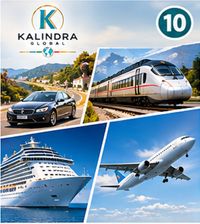
The opportunity to reach many destinations without driving, often through convenient connections between urban centres.
For long-distance connections or when it significantly reduces overall journey time.

When scheduling, complex connections or personalised travel requirements justify it, subject to cost and operational feasibility.

Reliable information, emergency contacts and arrangements suited to their level of independence.

By discussing expectations, budgets and priorities before making reservations.

Planning around children's needs and those of other participants, without underestimating transfer times or rest requirements.

Punctuality, reliable connections, professional equipment, documentation and expense management become particularly important.
Not necessarily. Requirements depend on nationality, destination and the activities involved. Business meetings, professional services and employment subject to authorisation must be distinguished.
Considering only obvious costs while overlooking supplements, fees, transfers and contingencies.
Because coverage limits, exclusions and assistance procedures determine how useful a policy will be in practice.
Choose your journey according to the people involved and the objectives to be achieved, rather than focusing solely on the destination or price.
Interview Conclusion
Travel preparation should never be identical for everyone.
Someone travelling with children, a professional attending international meetings and a traveller seeking a private itinerary have different requirements.
Understanding these differences leads to better choices regarding transport, services, insurance and schedules.
Travelling consciously means turning reliable information into better decisions.
How to Compare Transport Options Properly
Do not compare ticket prices alone.
For each alternative, consider:
→ Total cost: tickets, luggage, fuel, tolls, parking, transfers and supplements.
→ Total journey time: departure from home or office, waiting, travelling, connections and arrival at the actual destination.
→ Flexibility: the ability to modify schedules, itineraries and reservations.
→ Comfort and accessibility: vehicle characteristics and passenger requirements.
→ Reliability: service frequency and available alternatives during disruptions.
→ Environmental impact: where relevant, compare emissions associated with different transport methods using consistent data.
👍 Independence
🤔 Driving, traffic and costs
👍 Urban connections
🤔 Availability and transfers
👍 Affordability
🤔 Duration and comfort
👍 Long-distance travel
🤔 Airports, waiting and luggage
👍 Operational flexibility
🤔 Costs, permissions and feasibility
👍 Maritime links and vehicle transport
🤔 Schedules and weather
👍 Touring freedom
🤔 Parking, regulations and size
👍 Itinerary adaptability
🤔 Connection management
How to Prepare an International Business Trip
A business journey should follow a shared programme including:
🔘 Objectives and expected outcomes.
🔘 Meeting schedules.
🔘 Participant information.
🔘 Documents and authorisations.
🔘 Transport and accommodation.
🔘 Professional materials.
🔘 Local contacts.
🔘 Approved budget.
🔘 Insurance coverage.
🔘 Emergency procedures.
Expense reporting arrangements.
Companies should verify obligations relating to employee safety, activities performed abroad and the handling of confidential information.
How to Plan a Multi-Destination Journey
Complex itineraries require particular attention to connections and the formalities of every country involved.
Check:
🔘 Entry and transit requirements.
🔘 Luggage allowances across transport providers.
🔘 Transfers between airports, stations and ports.
🔘 Minimum connection times.
🔘 Contractual protection for connecting journeys.
🔘 Insurance coverage across all destinations.
🔘 Alternative arrangements if the itinerary changes.
How to Manage Digital Travel Documents
Create a protected digital folder containing passports, tickets, reservations, insurance documents, authorisations and emergency contacts.
Keep offline copies where useful, while avoiding public links and unnecessary sharing.
Digital copies are supporting resources and do not automatically replace original documents required by authorities.
Frequently Asked Questions
What is the first step in planning a trip?
Define the purpose, participants, duration and budget.
How should I choose between travelling by car, train or plane?
Compare total journey times, costs, flexibility, comfort and destination characteristics.
Does business travel require different documents from leisure travel?
It may. The nature of the professional activity determines whether additional visas or permits are required.
When is private aviation worth considering?
When scheduling, routing or organisational requirements justify a personalised solution, after verifying costs and feasibility.
How should I prepare for travelling with children?
Check documents, authorisations, transport, accommodation, health requirements, insurance and rest periods.
Is it better to use cash or payment cards abroad?
It depends on the destination. Having more than one payment method is generally prudent.
Is travel insurance always mandatory?
No. Requirements vary by destination, visa and activities. Appropriate coverage is advisable even when it is not compulsory.
How should I manage connections between different transport providers?
Allow realistic transfer times and verify whether journeys are protected under one booking or purchased separately.
How should corporate travel expenses be organised?
Define budgets, approvals, payment methods and reporting procedures before departure.
Which documents should I keep after returning home?
Tickets, invoices, receipts, relevant customs declarations and documentation required for reimbursements or insurance claims.
Business travel, private journeys and luxury tourism
K-AIR 79: A Personalised Approach to Travel
K-AIR 79 is part of Kalindra.it's dedicated area for travel, private services, tourism and luxury experiences.
A personalised itinerary may require coordinating several elements: air connections, ground transfers, accommodation, professional meetings and local experiences.
Each proposal must be assessed according to customer requirements, service availability and operational conditions.
Information, reservations and quotation requests are handled exclusively through Kalindra.it:
https://kalindra.it/products/viaggi-business-privati-turismo-servizi-luxury
Information for Non-European Citizens
Citizens of countries outside Europe wishing to organise a journey through Kalindra's services may contact us, providing their nationality, country of residence, destination, travel dates and purpose of travel.
Personalised guidance can then be provided on the requirements to verify with the relevant authorities.
Kalindra does not replace consular authorities and cannot guarantee the issuance of visas or permits.
Blog conclusion
Every Journey Has a Destination. Every Traveller Has Different Needs.
A solo traveller may seek independence and freedom.
A couple may want to share meaningful experiences.
A family must balance different needs and schedules.
A business professional needs to achieve specific objectives, attend meetings and use time efficiently.
A group must coordinate participants, transport and responsibilities.
Transport also shapes the experience: cars, trains, buses, aircraft, ships and private connections offer different opportunities.
There is no universally perfect solution.
There is a solution that best matches the people, destination, itinerary and resources available.
Preparing for a journey means understanding the alternatives, knowing the rules and making informed decisions.
Kalindra Magazine aims to support readers throughout this process by providing useful information before promoting services.
Kalindra Magazine — The Value of a Choice Begins with Knowledge.
Official Reference Sources
Viaggiare Sicuri — Italian Ministry of Foreign Affairs
https://www.viaggiaresicuri.it/
European Union — Your Europe
European Commission — Customs and Cash Controls
https://taxation-customs.ec.europa.eu/
Italian Ministry of Health
ENAC — Italian Civil Aviation Authority