Cleaning, hygiene, prevention and maintenance
These four pillars (cleaning, hygiene, prevention, and maintenance) form the basis for protecting personal health, ensuring environmental safety, and prolonging the life of surfaces and devices. The role of each phase and how they integrate are explained below:
1. Cleaning (Removal)
Cleansing is the act of cleaning to remove visible and invisible dirt (dust, grease, organic residues). This phase does not necessarily kill bacteria, but it eliminates the substrate in which they multiply and which impedes the action of disinfectants.
- Why it's vital: It is the mandatory and preliminary step in any sanitization process.
2. Hygiene (Reduction)
Hygiene focuses on reducing the microbial load to levels considered safe for human health. This is achieved through sanitization practices (cleaning + disinfection) in environments or with the use of specific detergents and body antiseptics.
3. Prevention (Protection)
Prevention is the set of measures taken to prevent the onset of diseases, infections, or the deterioration of materials.
- It includes primary prevention (healthy lifestyles, proper hygiene, use of protective equipment), secondary prevention (early diagnosis), and tertiary prevention (limiting complications).
- Practical examples: frequent hand washing, proper ventilation, and proper food storage.
4. Maintenance (Continuity)
Maintenance is the systematic and consistent planning of cleaning and hygiene activities over time.
- Added value: It ensures that the safety levels achieved are not compromised and that materials (or skin health) remain in optimal condition.
How they are integrated into the cleaning cycle
In any professional sanitation plan (such as in HACCP protocols), the activities follow a logical and sequential order:
- Cleansing: Removal of coarse dirt.
- Rinsing: Removal of detergent residues.
- Disinfection: Application of agents to destroy pathogens.
- Final rinse (if required)
Refine by
Filters
Filters
Dermatologically tested
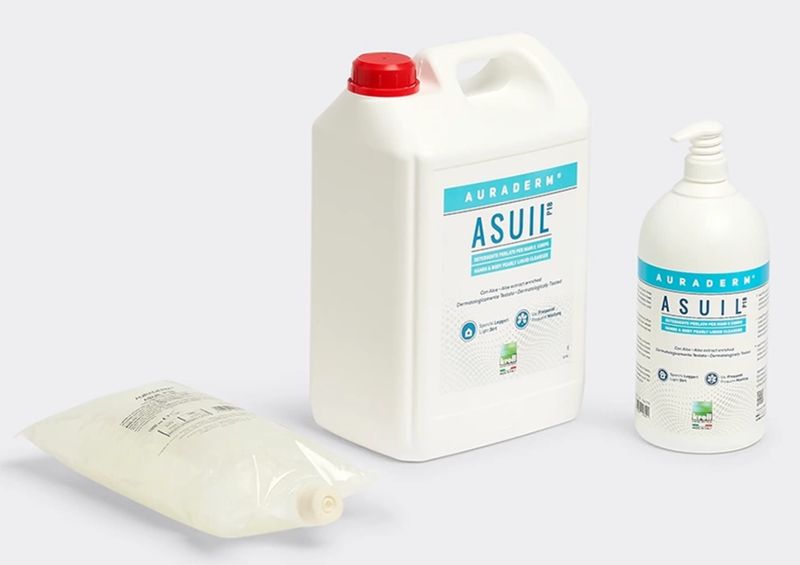
KALINDRA | Kroll. Asuil® P18. White pearlescent hand and body cleanser, dermatologically tested
KALINDRA | Kroll. Asuil® P18. White pearlescent hand and body cleanser, dermatologically tested
Dermatologically tested hand and body cleanser. Available in 5 sizes.
SKU KRL_006XX
€ 2,94
Dermatologically tested
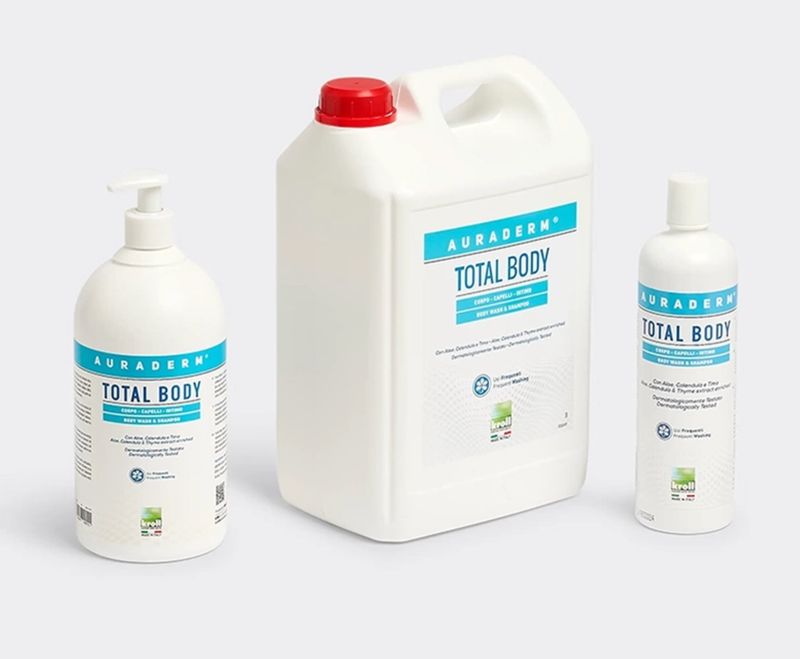
KALINDRA | Kroll. Total Body. Body, Intimate, and Hair Cleanser, Dermatologically Tested on Sensitive Skin
KALINDRA | Kroll. Total Body. Body, Intimate, and Hair Cleanser, Dermatologically Tested on Sensitive Skin
Multipurpose liquid cleanser for body, intimate area, and hair. Dermatologically tested for sensitive skin. Three sizes available.
SKU KRL_0490X
€ 3,27
Dermatologically tested
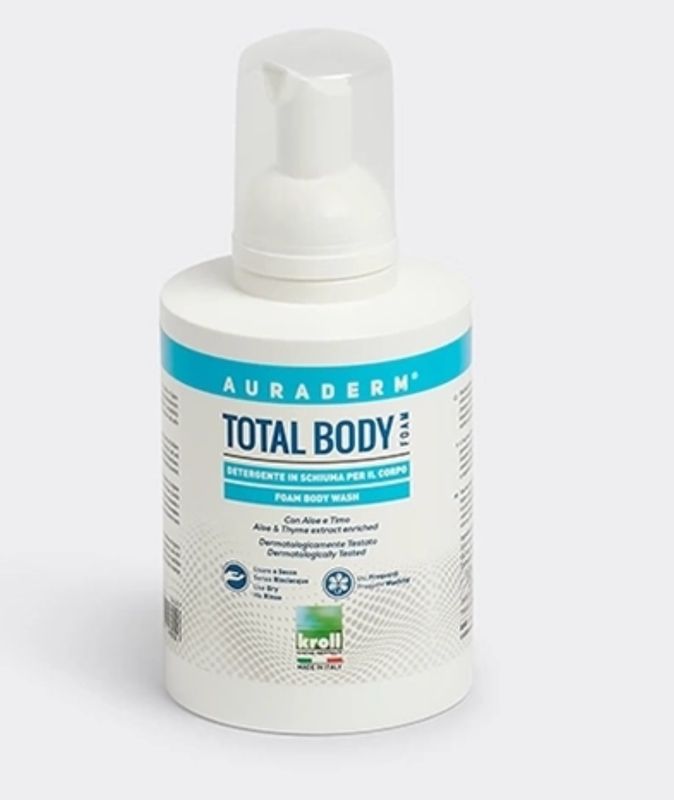
KALINDRA | Kroll. Total Body Foam. No-rinse body foam cleanser, dermatologically tested on sensitive skin
KALINDRA | Kroll. Total Body Foam. No-rinse body foam cleanser, dermatologically tested on sensitive skin
Leave-in foaming body cleanser. Dermatologically tested for sensitive skin.
SKU KRL_04805
Original price € 12,37
Save 46%
€ 6,63
Dermatologically tested
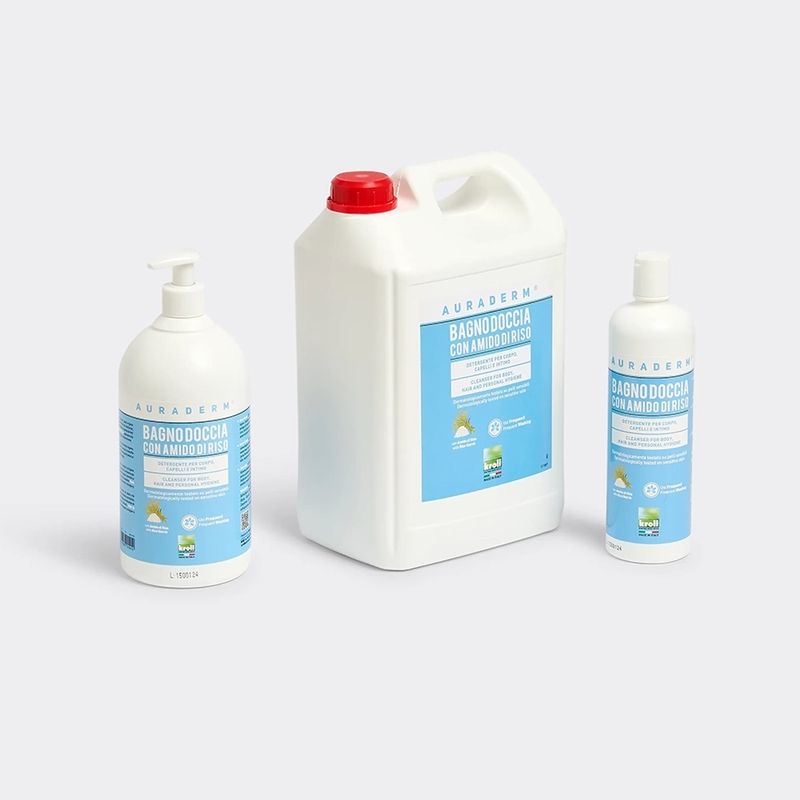
KALINDRA | Kroll. Shower Gel with Rice Starch, Dermatologically Tested on Sensitive Skin
KALINDRA | Kroll. Shower Gel with Rice Starch, Dermatologically Tested on Sensitive Skin
Rice starch cleanser for body, hair and intimate areas, dermatologically tested on sensitive skin.
SKU KRL_0150X
€ 2,78
Dermatologically tested
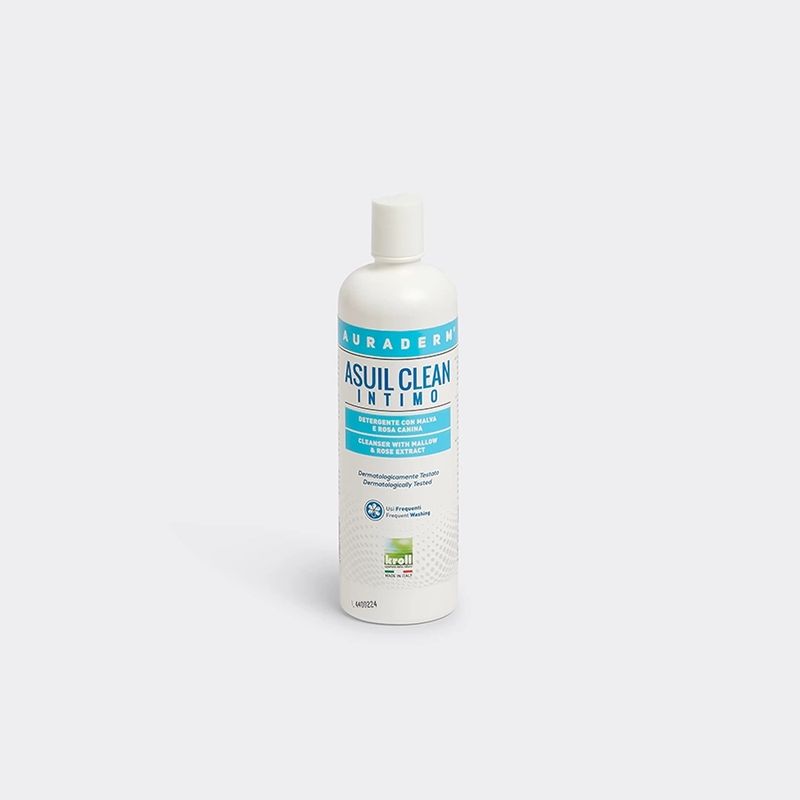
KALINDRA | Kroll. Asuil® Clean Intimo. Dermatologically tested intimate cleanser
KALINDRA | Kroll. Asuil® Clean Intimo. Dermatologically tested intimate cleanser
Intimate cleanser with mallow and rosehip, dermatologically tested.
SKU KRL_04410
Original price € 11,08
Save 45%
€ 6,14
Dermatologically tested
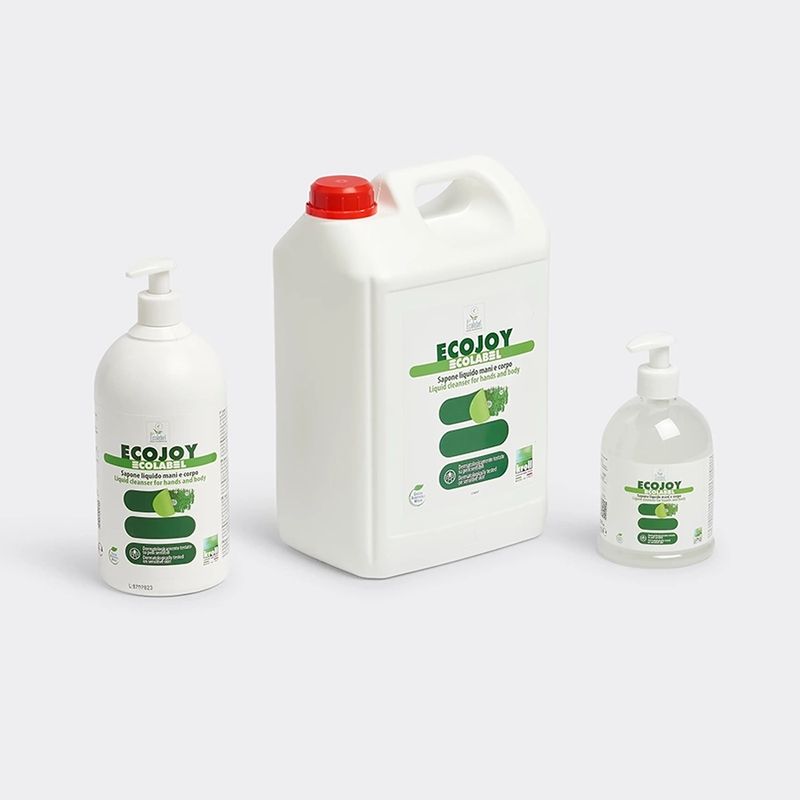
KALINDRA | Kroll. Ecojoy. Ecolabel. Liquid detergent for hands and body, dermatologically tested on sensitive skin. 5 sizes available
KALINDRA | Kroll. Ecojoy. Ecolabel. Liquid detergent for hands and body, dermatologically tested on sensitive skin. 5 sizes available
Liquid soap ideal for daily hand and body hygiene. Its particularly gentle formula, based on natural plant-based surfactants obtained from renewable sources, respects the skin's balance.
SKU KRL_087XX
€ 2,45
Dermatologically tested
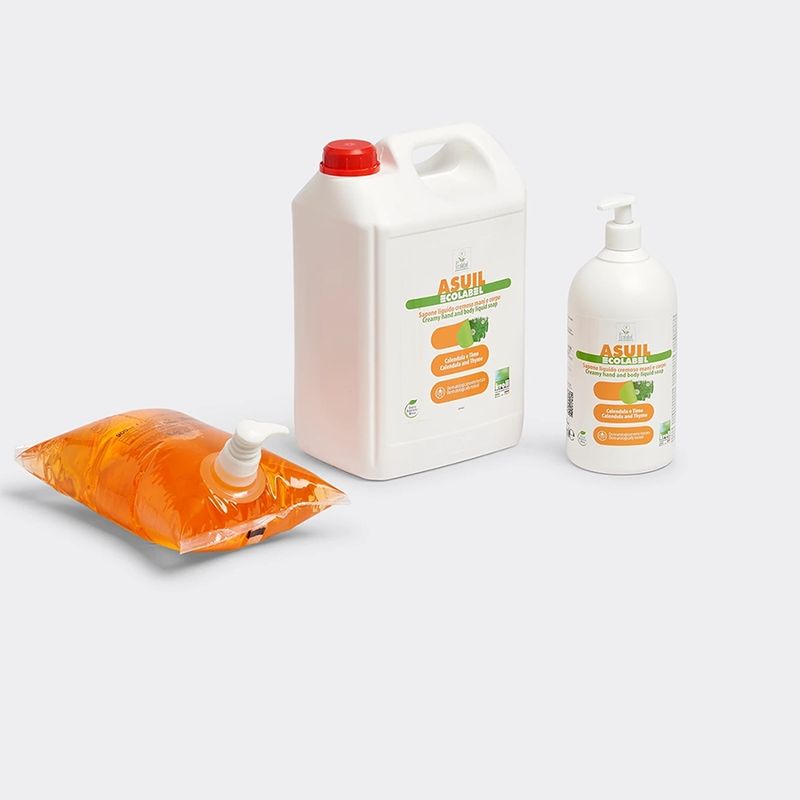
KALINDRA | Kroll. Asuil® Ecolabel Creamy liquid soap for hands and body, dermatologically tested on sensitive skin. 5 formats available
KALINDRA | Kroll. Asuil® Ecolabel Creamy liquid soap for hands and body, dermatologically tested on sensitive skin. 5 formats available
Formula, enriched with Calendula and Thyme extract, gently cleanses while respecting the epidermal balance
SKU KRL_0880X
€ 4,83
Dermatologically tested
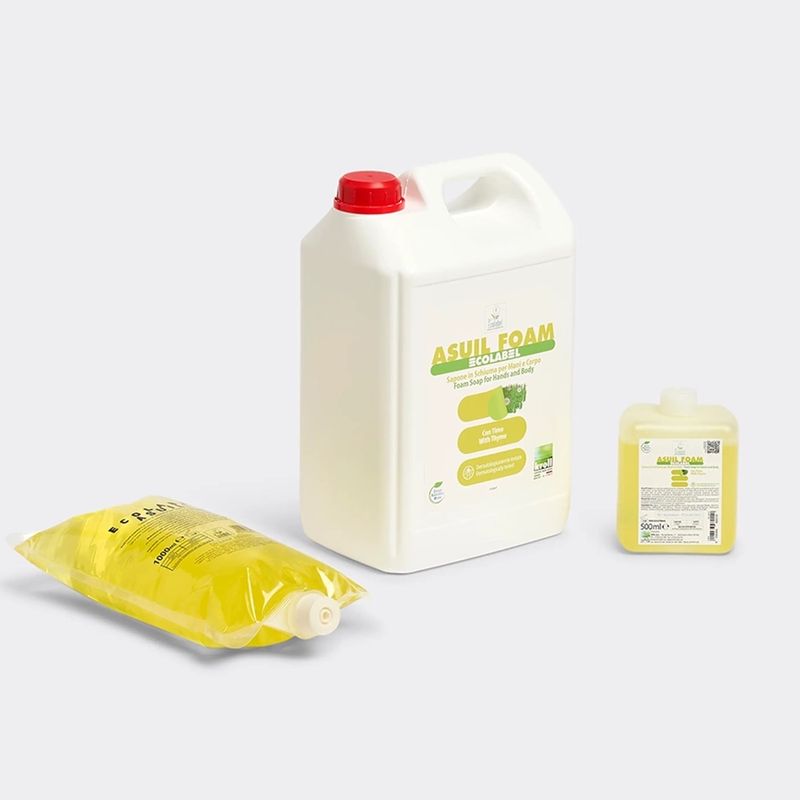
KALINDRA | Kroll. Asuil® Foam Ecolabel Foaming Hand Wash, dermatologically tested on sensitive skin. 4 formats available
KALINDRA | Kroll. Asuil® Foam Ecolabel Foaming Hand Wash, dermatologically tested on sensitive skin. 4 formats available
Its formula with epidermal pH, enriched with thyme extract, makes it suitable for all skin types; furthermore, it contains surfactants of natural plant origin.
SKU KRL_089XX
€ 2,29
Dermatologically tested
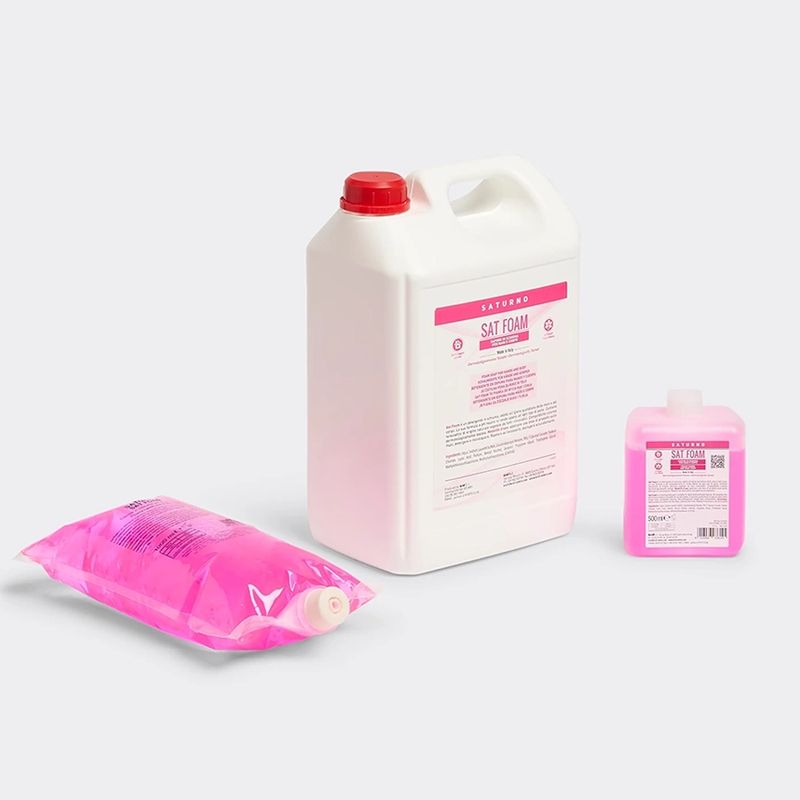
KALINDRA | Kroll. Saturno. Sat Foam. Foaming soap for hands and body, dermatologically tested
KALINDRA | Kroll. Saturno. Sat Foam. Foaming soap for hands and body, dermatologically tested
Foaming cleanser suitable for daily hand and body hygiene. Its formula with an even pH makes it suitable for all skin types.
SKU KRL_036XX
€ 2,61
Dermatologically tested
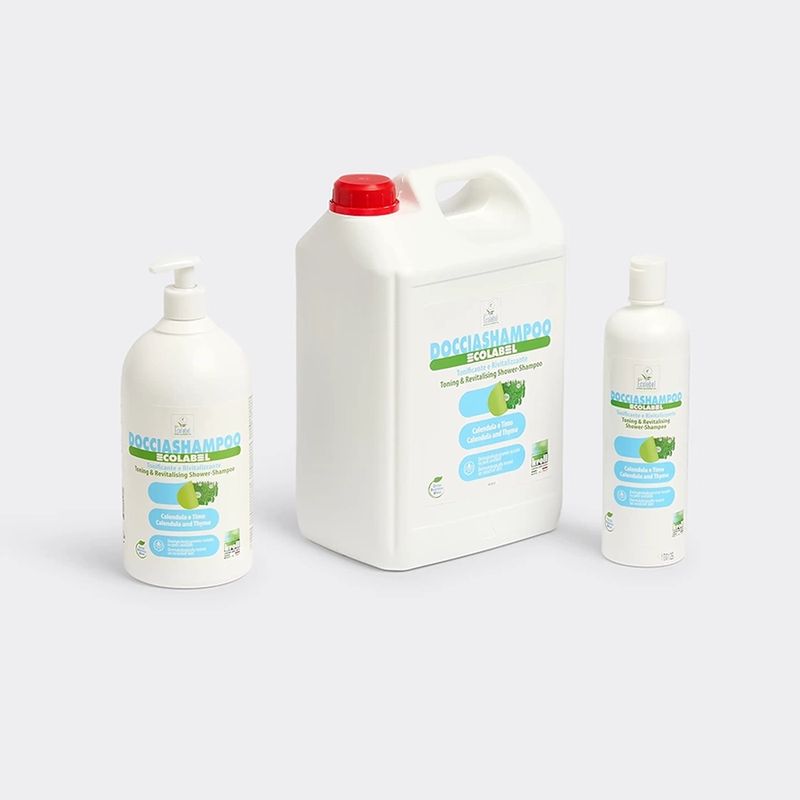
KALINDRA | Kroll. Ecolabel Shower Shampoo. Dermatologically tested. Available in 4 sizes
KALINDRA | Kroll. Ecolabel Shower Shampoo. Dermatologically tested. Available in 4 sizes
Moisturizing formula, enriched with natural extracts of Thyme and Calendula, restores the hydrolipidic balance of the skin and hair.
SKU KRL_0910X
€ 3,68
Dermatologically tested
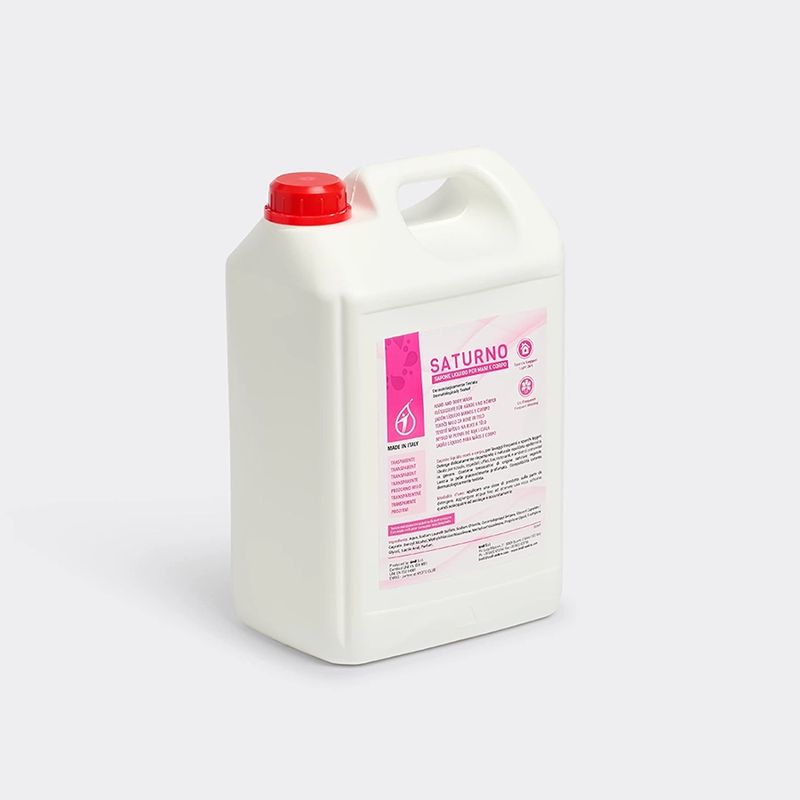
KALINDRA | Kroll. Saturno. Liquid soap for hands and body, dermatologically tested
KALINDRA | Kroll. Saturno. Liquid soap for hands and body, dermatologically tested
It cleanses gently while respecting the natural balance of the skin: a factor that makes it the ideal detergent for schools, hospitals, offices, bars, restaurants, and community environments in general.
SKU KRL_03102
Original price € 18,61
Save 50%
€ 9,25
Lowest price in 6 days: € 18,61
Dermatologically tested
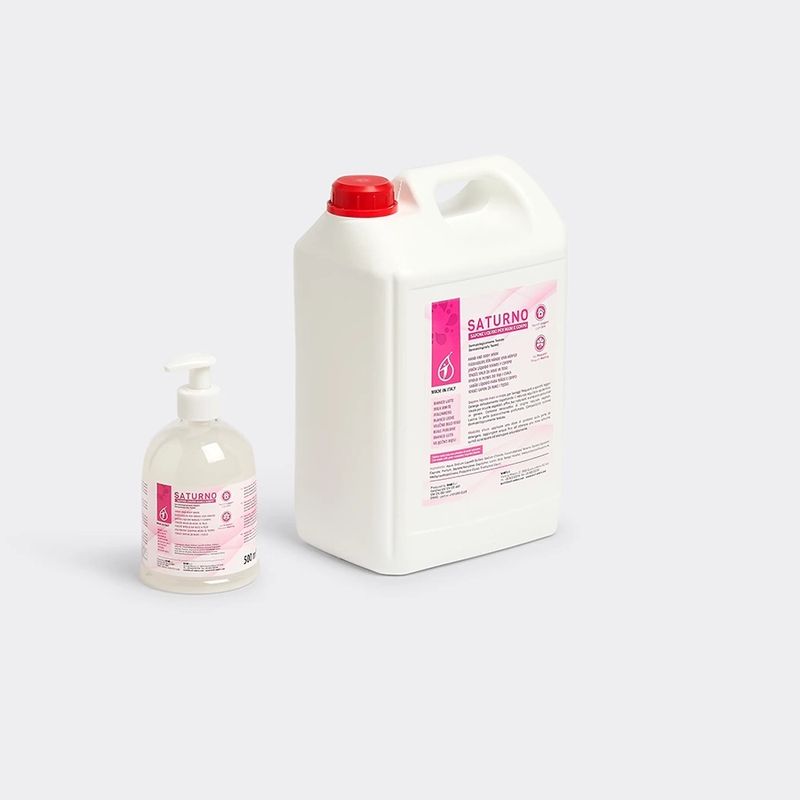
KALINDRA | Kroll. Saturno. White Milk Liquid Soap for Hands and Body, Dermatologically Tested. 2 Formats Available
KALINDRA | Kroll. Saturno. White Milk Liquid Soap for Hands and Body, Dermatologically Tested. 2 Formats Available
It cleanses gently while respecting the natural balance of the skin, a factor which makes the product ideal for use in schools, hospitals, offices, bars, restaurants and community environments in general.
SKU KRL_0315X
€ 2,29
Dermatologically tested
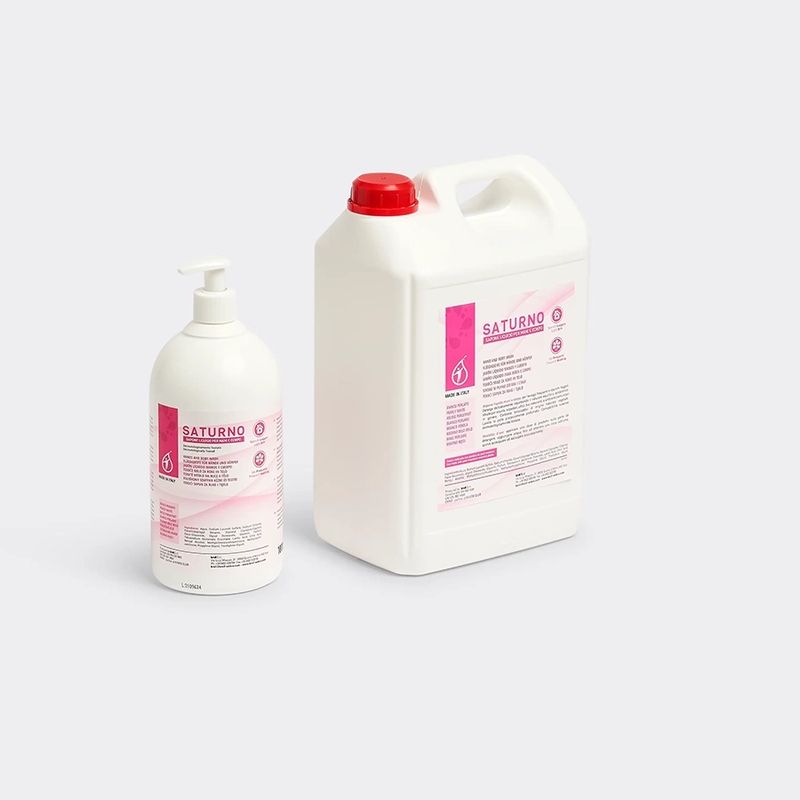
KALINDRA | Kroll. Saturn. Pearly white liquid soap for hands and body, dermatologically tested. 2 sizes available
KALINDRA | Kroll. Saturn. Pearly white liquid soap for hands and body, dermatologically tested. 2 sizes available
Formulated for frequent washing, this detergent is recommended for use in schools, hospitals, offices, bars, restaurants, and community environments in general.
SKU KRL_0311X
€ 2,45
Dermatologically tested
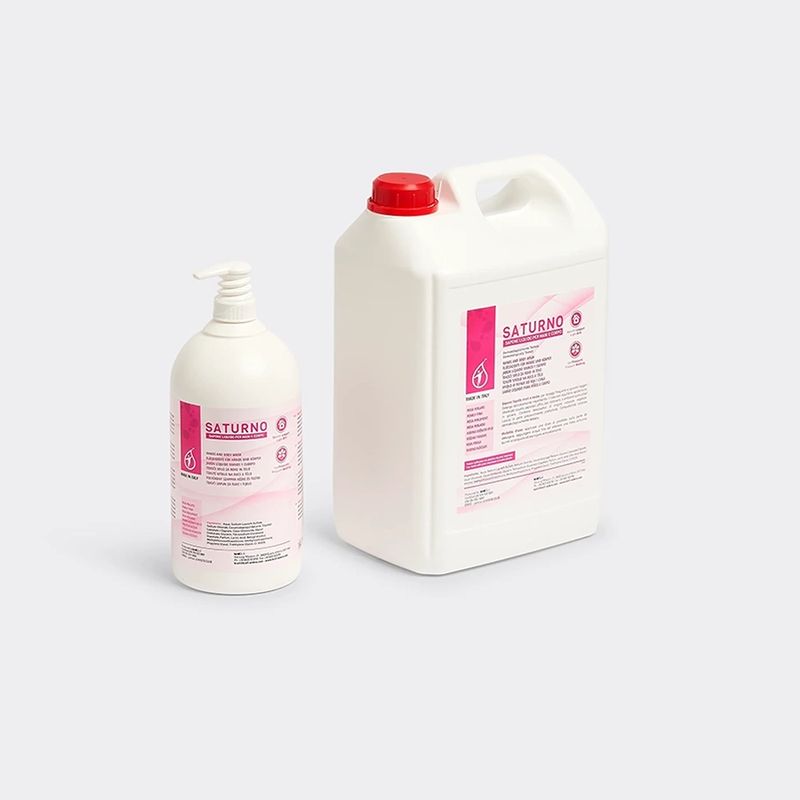
KALINDRA | Kroll. Saturno. Pearly Pink Liquid Soap for Hands and Body, Dermatologically Tested. 2 Formats Available
KALINDRA | Kroll. Saturno. Pearly Pink Liquid Soap for Hands and Body, Dermatologically Tested. 2 Formats Available
It gently cleanses while respecting the natural balance of the skin, factors that make this product ideal for use in public contexts such as hospitals, refreshment areas, schools and other community spaces.
SKU KRL_0312X
€ 2,45
Display prices in:EUR