Riflettore puntato su laser a 4 frequenze per...
Artisan Pasta
Discover artisan pasta on Kalindra
Explore traditional shapes, regional specialties and selected products to find the artisan pasta best suited to your recipes, restaurant or professional business.
Artisan pasta: tradition, ingredients and territory
Artisan pasta represents one of the most recognizable expressions of Italian gastronomic heritage. Flour and semolina, water and, depending on the recipe, eggs or other ingredients are transformed into pasta through processes that can enhance raw materials, traditional shapes, production characteristics and regional identity.
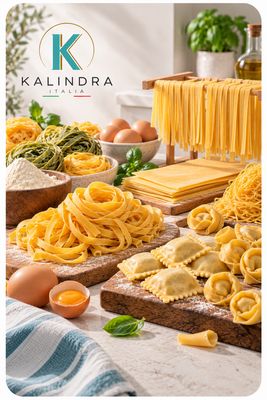
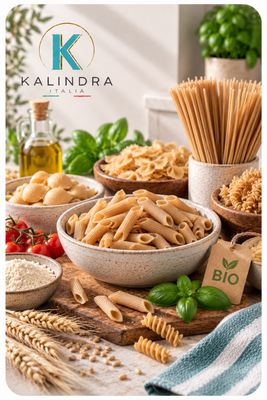
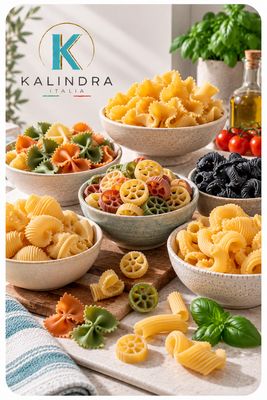
On Kalindra, this category brings together different interpretations of artisan pasta: durum wheat semolina pasta, egg pasta, fresh and dried pasta, long and short shapes, regional pasta, filled pasta and specialties made with different flours or ingredients, according to availability.
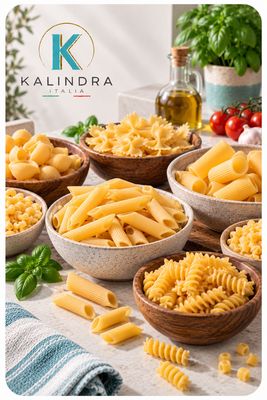
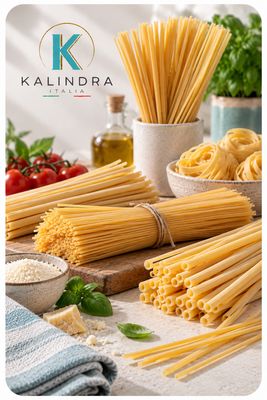
Spaghetti, linguine, tagliatelle, pappardelle, fusilli, paccheri, rigatoni, orecchiette and many other shapes are more than different forms: size, surface and structure influence how pasta interacts with sauces, seasonings and cooking methods.
Production methods and characteristics
When choosing artisan pasta, consider the type of flour or semolina, ingredients, shape, production method, drying process where applicable, origin and producer information.
Bronze-die extrusion, when actually used, can give pasta a different surface compared with other production processes. Drying times and temperatures can also vary between producers and should be checked in the specific product information.
From tradition to contemporary cuisine
Artisan pasta has a place in home cooking, restaurants, delicatessens and the Ho.Re.Ca. sector. It can enhance traditional regional recipes or become the starting point for contemporary creations.
Choosing a pasta shape also means thinking about the finished dish: long, short, ridged, smooth, fresh, dried or filled pasta provides different textures and gastronomic experiences.
Kalindra connects consumers, professionals and businesses with producers and food specialties, creating a place to discover, understand and compare artisan pasta in its many expressions.
FAQ – Artisan Pasta
What distinguishes artisan pasta?
Raw materials, recipes, production processes, shapes and drying methods can characterize different products. Always check the information provided by the producer.
What types of artisan pasta are available?
Depending on the assortment, you may find dried, fresh, egg and semolina pasta, filled pasta, regional shapes and specialties made with different flours or ingredients.
Is artisan pasta always bronze-die extruded?
No. Bronze-die extrusion is a specific production characteristic and should not be assumed for every artisan pasta.
How should I choose a pasta shape?
Consider the recipe, sauce and desired texture. Shape, size and surface influence the final dish.
Is artisan pasta suitable for restaurants?
Yes. Depending on the available products and formats, it can also meet the needs of restaurants, delicatessens and Ho.Re.Ca. professionals.
How can I choose artisan pasta online?
Compare ingredients, flour or semolina, shape, origin, production method, storage instructions and the information provided on the product page.
Display prices in:EUR