Hygiene, Cleaning, Purification, Disinfection, Safety, Detergency
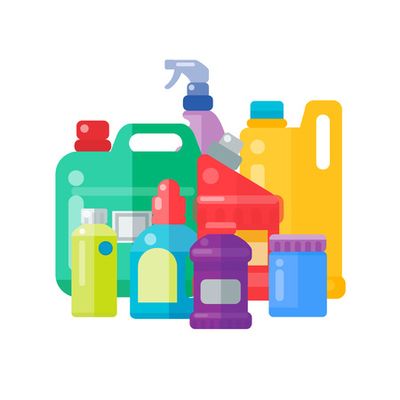
Products for cleaning and hygiene of objects and surfaces are chemical formulations or substances designed to remove dirt and reduce or eliminate microbial load (bacteria, viruses, fungi) from environments, tools, and surfaces.
They are primarily classified based on their action:
- Detergents (or Cleaners): Substances containing surfactants and soaps designed to remove visible dirt, grease, or dust. They work through mechanical and chemical action to clean surfaces and objects, reducing the microbial load by approximately 90%, but not eliminating it completely.
- Sanitizers: Products that clean and simultaneously reduce the presence of germs and bacteria, improving hygiene without requiring certification as disinfectants.
- Disinfectants (Medical Surgical Devices - PMC): Chemical products (such as denatured alcohol, bleach, hydrogen peroxide) formulated to drastically reduce the presence of pathogenic microorganisms, viruses, and fungi on inanimate surfaces.
- Sanitizers: Products that combine a cleaning and disinfecting action. Sanitization is a more comprehensive process that, in addition to removing dirt, inactivates pathogens, ensuring high levels of safety.
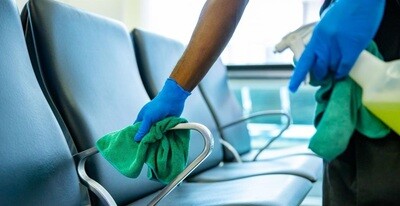
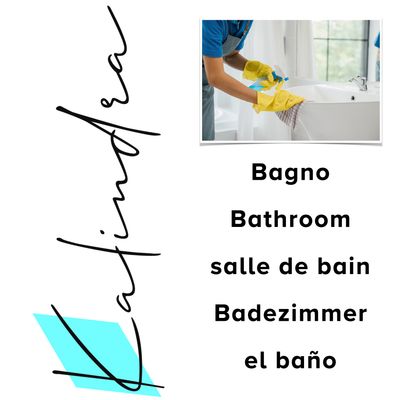
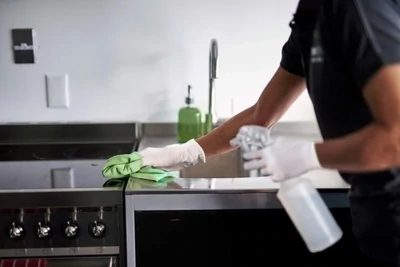
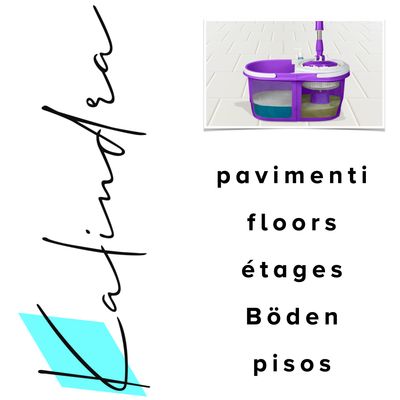
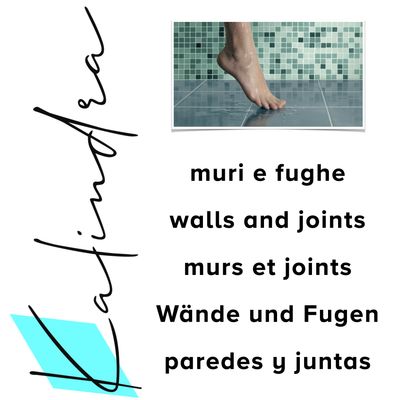
Treated surfaces and objects: These products are used on floors, walls, desks, doors, handles, screens, electronic devices (tablets, keyboards, mice), and furnishings in general.
Key differences:
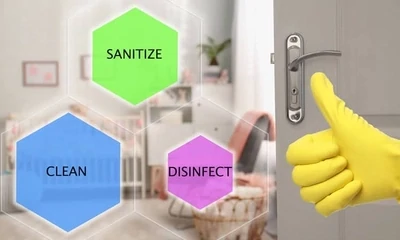
- Cleaning: Removes (visible) dirt.
- Sanitizing: Cleans and reduces microbes.
- Disinfecting: Eliminates (invisible) pathogens.
- Sanitizing: Cleans and disinfects in a single process or sequentially (cleaning + disinfection).



Display prices in:EUR